
Fairfax
1031 exchange planning for Fairfax investors: government-contractor office risk, Merrifield and Mosaic retail, and medical-office conversion costs.
Fairfax office product has spent the last several years absorbing a shift away from single-tenant government-contractor leases toward medical, professional-services, and mixed-use tenancy, and that shift changes how a replacement building should be underwritten depending on which side of the transition it sits on, and depending on how far along its own conversion path has progressed.
Government-Contractor Lease Risk
A Fairfax office building leased to a single federal contractor carries concentration risk tied to that firm's specific contract cycle, and a rent roll showing one tenant on a long-term lease can look safer than it is if the underlying contract is up for re-compete within the lease term. Diligence should include a request for the tenant's contract-vehicle expiration, separate from the lease expiration date.
Buildings that have already converted from single-tenant government use to multi-tenant medical or professional space typically show lower per-tenant concentration risk, but the conversion cost, often driven by mechanical and life-safety upgrades for medical use, needs to be underwritten as a real capital line rather than folded into a vague renovation allowance that a broker's marketing package tends to gloss over.
Merrifield And Mosaic Retail
Retail around Merrifield and the Mosaic District draws from a dense, higher-income trade area and leases at a premium to more commodity suburban centers, which means a buyer should confirm that in-place rents reflect current market terms rather than legacy leases signed before the district's redevelopment matured.
Vienna's retail corridor sits adjacent to Mosaic but generally commands lower per-square-foot rents, since it draws from an older, more established trade area rather than the newly built density around Mosaic, and comparing the two without adjusting for that difference will overstate what a Vienna property can realistically achieve at renewal.
Property Mix To Underwrite
Replacement candidates that recur in Fairfax exchange files:
- Medical-office buildings near Fairfax hospital and health system campuses
- Grocery-anchored retail in Merrifield, Mosaic, or Vienna
- Multifamily near the Vienna or Dunn Loring Metro stations
- Flex or light-industrial space along the Route 50 or I-66 corridors
- DST allocations for exchangers priced out of direct Fairfax product
Flex and light-industrial space along Route 50 and I-66 tends to trade at a meaningful discount per square foot to Merrifield-area retail or medical office, which makes it a common landing spot for exchangers moving out of a smaller-basis property who still want direct ownership rather than a DST interest.
Identification Around Conversion Risk
When the preferred replacement is a government-contractor office building with re-compete uncertainty, a three-property identification naming that building alongside two lower-risk fallbacks, such as a medical-office property and a retail center, gives the exchanger room to walk away from the office deal if the contract-vehicle review raises concerns inside the 45-day window.
If the fallback properties differ meaningfully in price from the preferred office building, the 200% rule may be the more reliable way to keep all three viable without breaching the identification value ceiling, and any resulting boot from choosing a lower-priced fallback should be reviewed with the investor's tax advisor before the list is filed.
Closing Coordination For Conversion Deals
A building purchased for conversion from office to medical use needs a closing schedule that accounts for permitting review on mechanical and life-safety upgrades, which can extend beyond a standard commercial closing timeline. Confirming permit feasibility during diligence, rather than after closing, protects the 180-day exchange period from an unexpected extension request.
The qualified intermediary, lender, and tax advisor should have the contract-vehicle findings and any conversion cost estimate before final identification, so the closing file supports accurate Form 8824 reporting, and that documentation should be gathered before the 45-day list is finalized rather than during the closing sprint.
Fairfax County's own permitting queue can also move slower during peak building seasons, so an exchanger working toward a firm closing date should confirm current review timelines directly with the county rather than relying on a general estimate from the broker or seller. That confirmation is worth getting in writing, since verbal estimates from county staff can shift once an application is actually sitting in the formal review queue awaiting sign-off.
Common 1031 Exchange Questions
How do I evaluate re-compete risk on a Fairfax government-contractor lease?
Request the tenant's contract-vehicle expiration date separately from the lease expiration date. A long lease term does not protect you if the underlying federal contract is up for re-compete sooner.
Is converting a Fairfax office building to medical use a realistic 1031 replacement strategy?
It can work, but budget mechanical and life-safety upgrade costs as a real capital line and confirm permitting feasibility during diligence rather than assuming approval after closing.
Should I trust in-place rents at Merrifield or Mosaic retail centers?
Confirm whether leases were signed before or after the district's redevelopment matured, since legacy leases can understate current market rent in this corridor.
Can I identify a risky office building alongside safer fallback properties?
Yes, naming one higher-risk office building and two lower-risk fallbacks under the three-property rule is a common way to preserve optionality inside your 45-day window.
What closing delays are common when converting office to medical use in Fairfax?
Permitting review for mechanical and life-safety upgrades can extend past a standard commercial closing timeline, so confirm feasibility during diligence to protect your 180-day exchange period.
Explore Virginia Markets
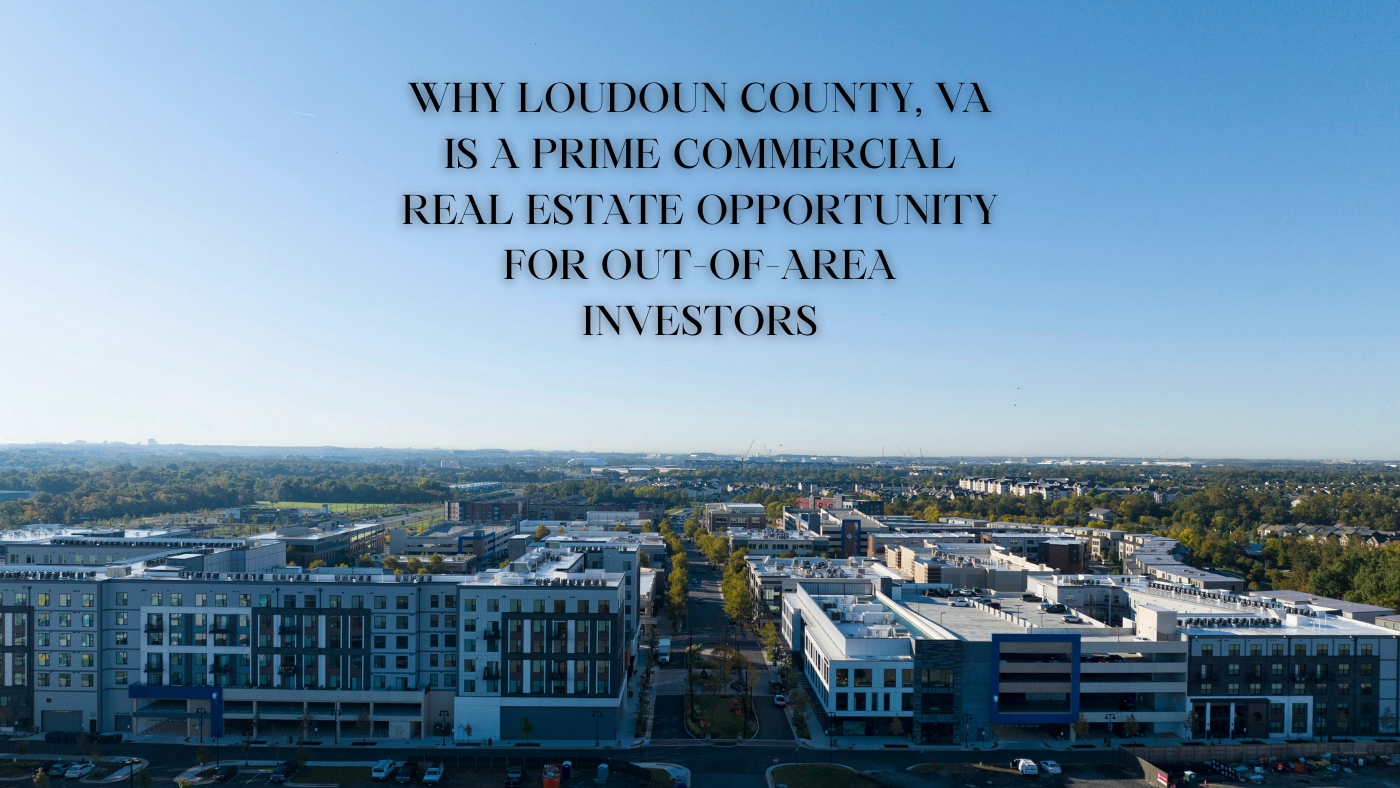
Loudoun County
1031 exchange planning for Loudoun County investors: data-center land economics, power constraints, Ashburn adjacency, and realistic asset.
Explore
Prince William County
1031 exchange planning for Prince William County investors comparing industrial, retail, and data-center-adjacent land along the I-66 and I-95.
Explore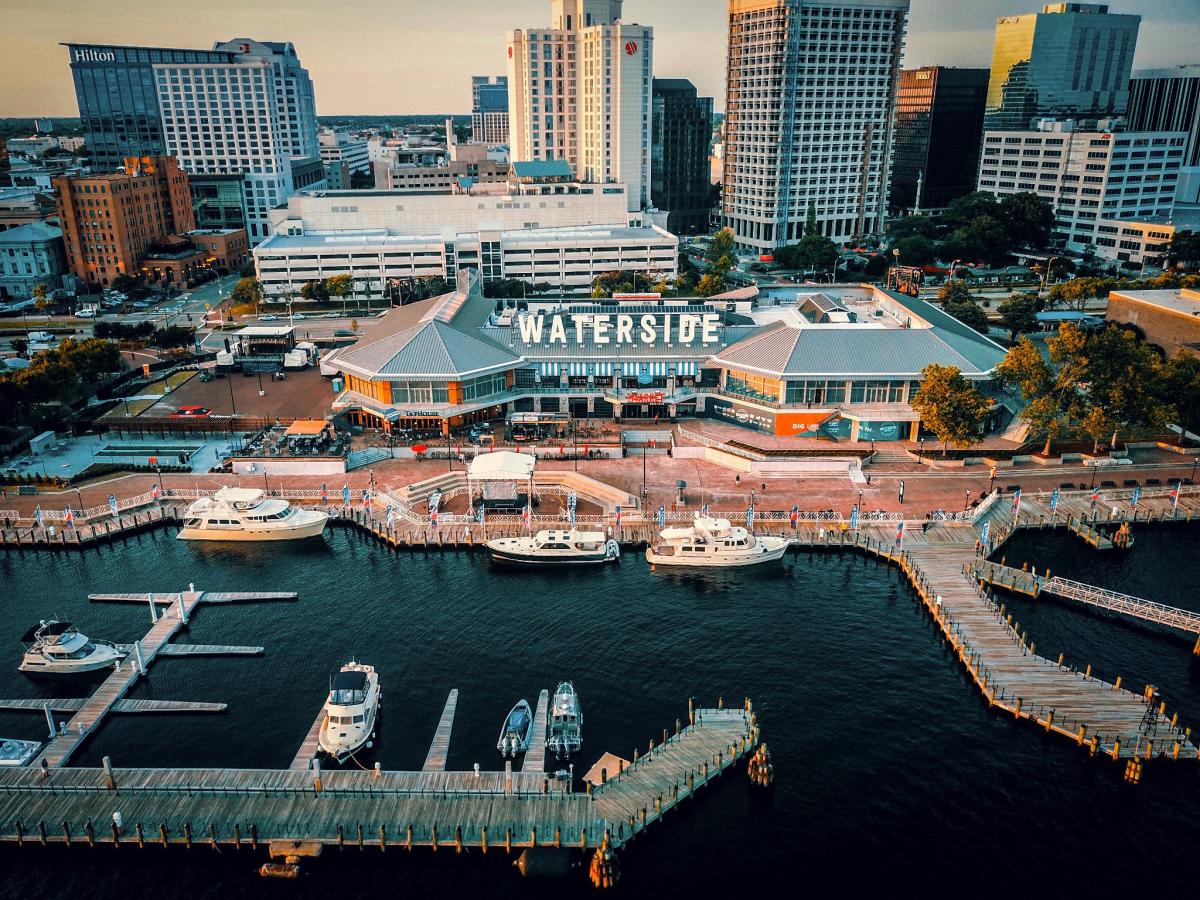
Norfolk
1031 exchange planning for Norfolk investors weighing industrial, medical office, and multifamily replacement property near the naval base and.
Explore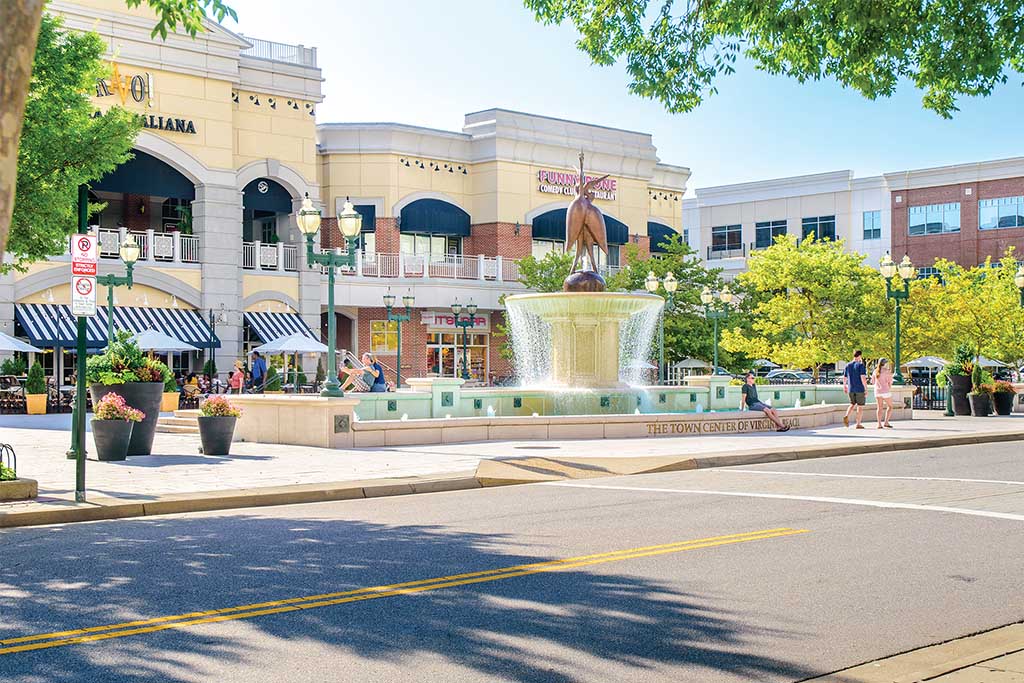
Virginia Beach
1031 exchange planning for Virginia Beach investors comparing Oceanfront hospitality-adjacent, Town Center office, and suburban retail.
ExploreReady to organize the exchange file?
Share the dates, property details, and open questions for your Virginia exchange.
Start Exchange Review