
Loudoun County
1031 exchange planning for Loudoun County investors: data-center land economics, power constraints, Ashburn adjacency, and realistic asset alternatives.
Loudoun County's exchange conversations almost always start with data centers, and then have to pivot, since most hyperscale campuses trade as corporate build-to-suit or institutional portfolio deals rather than as individually held replacement property that fits a typical exchange budget. The more realistic question is how to buy adjacent to that demand.
Data-Center Land Economics
Land values in the Ashburn and Sterling corridor have been driven primarily by power availability and fiber access rather than by traditional commercial fundamentals like traffic counts or rooftops, and that has pulled per-acre pricing well above what comparable land in most of Virginia would command. An investor evaluating land here should confirm substation capacity and any utility queue position before assuming a parcel carries data-center-grade value, since power constraints can leave an otherwise well-located site priced closer to standard commercial land.
This dynamic also means comparable-sales research has to specify whether a given sale was power-served or not, because blending the two into one per-acre average will misstate value in either direction.
Brokers marketing land in this corridor will sometimes cite a nearby power-served sale as the comparable for a parcel that has no confirmed utility commitment of its own, and a buyer should treat that comparison as aspirational rather than as support for the asking price until the parcel's own utility status is verified.
Where Individual Exchangers Actually Compete
Direct data-center ownership is largely out of reach for a typical 1031 exchanger, but the surrounding economy generates replacement property that is realistically attainable, including flex and industrial space serving data-center construction trades, retail and multifamily serving the workforce those campuses employ, and net-lease pads along the Route 7 and Route 28 corridors that have grown alongside the tech employment base.
Realistic Replacement Categories
Loudoun County exchange candidates that are actually attainable at typical 1031 budgets:
- Flex or light-industrial space serving data-center construction and maintenance trades
- Grocery-anchored or service retail near Ashburn, Sterling, or Dulles employment
- Garden-style multifamily serving the tech and contractor workforce
- Net-lease retail pads along Route 7 or Route 28
- DST allocations that provide indirect exposure to the broader corridor's growth
Flex and light-industrial buildings serving construction and maintenance trades have generally kept pace with the broader corridor's growth without carrying the speculative land-value premium that raw parcels near the data-center core often do, which makes this category a common landing point for exchangers who want direct exposure to the corridor's economy without the power-availability guesswork.
Identification Discipline In A Speculative Market
Because raw land pricing in this county can swing on rumored or announced power availability, an exchanger identifying an undeveloped parcel should treat any data-center-adjacent premium as unconfirmed until a utility commitment letter exists, and should pair that parcel on the 45-day identification list with a stabilized flex, retail, or multifamily fallback whose value does not depend on the same speculative assumption.
Given how wide the price range can run between speculative land and stabilized income property, the 200% rule is often more workable than the three-property rule for keeping both types of candidates identifiable, and any boot created by ultimately choosing the lower-priced stabilized fallback should be reviewed with the investor's tax advisor before the exchange period closes.
Closing Sequence Around Utility Confirmation
A land purchase tied to data-center adjacency needs a closing schedule that reserves real time for utility-capacity confirmation and any zoning or community review specific to data-center or heavy-industrial use, since those approvals routinely run longer than a standard commercial closing. A flex, retail, or multifamily purchase in the same corridor follows a more conventional timeline and should not be forced into the land deal's longer schedule.
The qualified intermediary, lender, and tax advisor should have the utility-commitment status and zoning findings on file before the 180-day exchange period closes so Form 8824 reporting reflects what was actually confirmed at closing, not what was assumed at identification.
Given how quickly this county's land economics have shifted in recent years, it is worth revisiting comparable-sales data close to the actual identification date rather than relying on figures gathered even a few months earlier, since a stale comparable set can materially misstate current value.
Common 1031 Exchange Questions
Can a typical 1031 exchanger buy an actual data center in Loudoun County?
Rarely. Most hyperscale campuses trade as corporate build-to-suit or institutional portfolio deals, so individual exchangers more realistically target flex, retail, or multifamily property serving that economy instead.
What drives land pricing in the Ashburn and Sterling corridor?
Power availability and fiber access drive pricing more than traditional factors like traffic counts, so confirm substation capacity and utility queue position before assuming a parcel carries data-center-grade value.
How should I identify a speculative land parcel alongside a safer property?
Pair the speculative parcel with a stabilized flex, retail, or multifamily fallback whose value does not depend on the same power or zoning assumptions, using the 200% rule if the price gap is wide.
What happens if the data-center premium I expected on a parcel does not materialize?
That gap can create boot exposure if you close on a lower-priced fallback instead. Review it with your tax advisor before the 180-day exchange period closes.
How long should I expect a data-center-adjacent land closing to take compared to a standard retail deal?
Plan for a longer timeline. Utility-capacity confirmation and zoning review for data-center or heavy-industrial use routinely run past what a standard commercial closing allows.
Explore Virginia Markets

Prince William County
1031 exchange planning for Prince William County investors comparing industrial, retail, and data-center-adjacent land along the I-66 and I-95.
Explore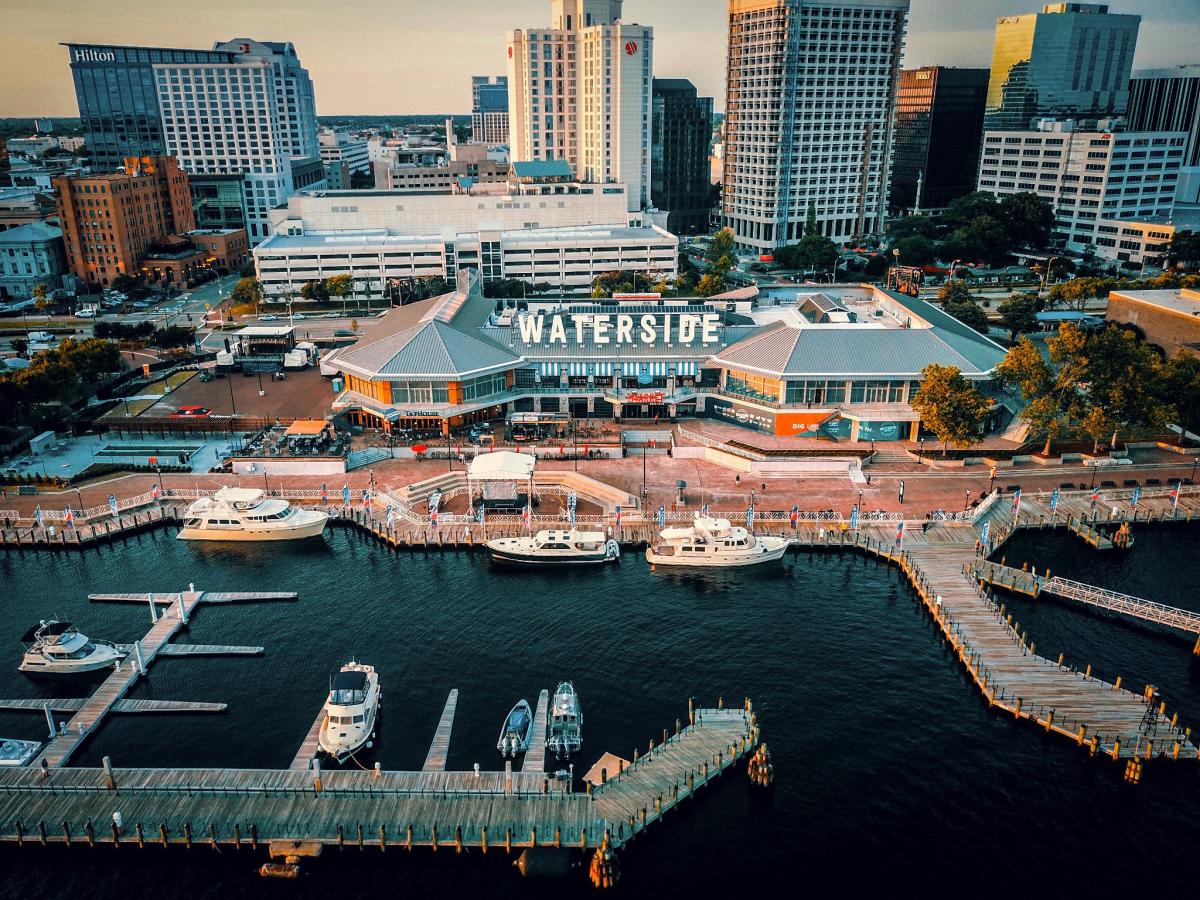
Norfolk
1031 exchange planning for Norfolk investors weighing industrial, medical office, and multifamily replacement property near the naval base and.
Explore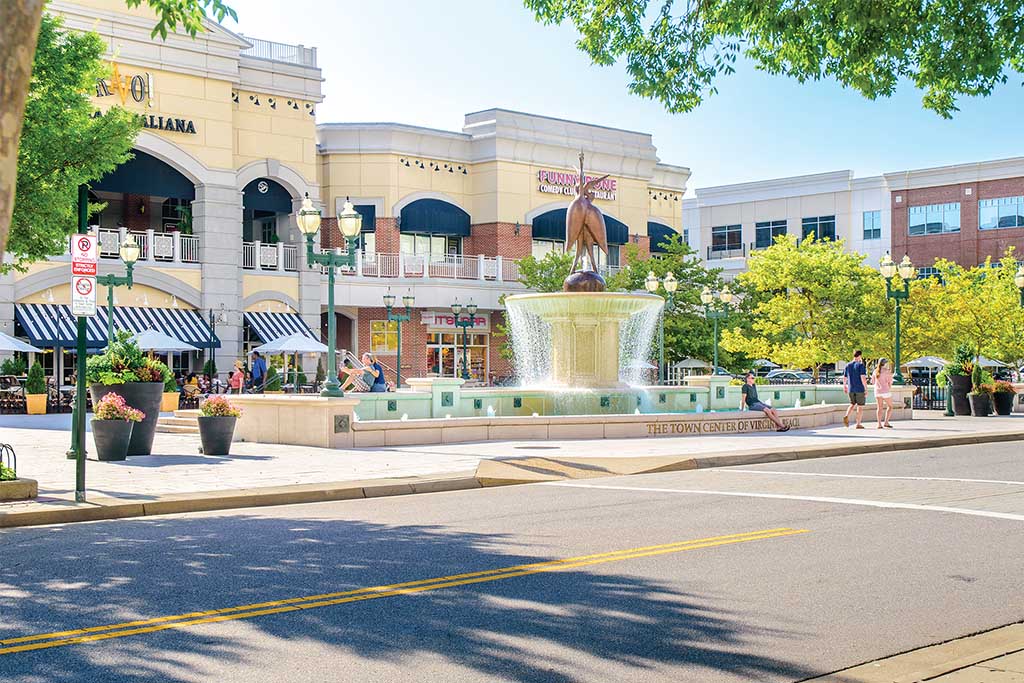
Virginia Beach
1031 exchange planning for Virginia Beach investors comparing Oceanfront hospitality-adjacent, Town Center office, and suburban retail.
Explore
Chesapeake
1031 exchange budgeting for Chesapeake investors: port-driven industrial demand, wetlands and stormwater costs, and Greenbrier retail.
ExploreReady to organize the exchange file?
Share the dates, property details, and open questions for your Virginia exchange.
Start Exchange Review