
Tysons
1031 exchange planning for Tysons investors weighing high-rise office, mixed-use, and net-lease replacement property during the district's transit-driven buildout.
Tysons has spent the past decade converting from a car-dependent office and retail node into a denser, transit-served district served by four Silver Line stations. That transition means an exchange buyer is underwriting two different eras of construction side by side: legacy 1980s and 1990s office towers designed around structured parking decks, and newer mixed-use development built to walk directly to a Metro platform, each requiring a distinctly different set of underwriting assumptions.
Legacy Towers Carry Different Capital Needs Than New Construction
Office towers built before the Silver Line's arrival typically carry higher parking ratios per square foot than current tenant demand actually requires, since some employers now favor the transit-accessible buildings and shed excess suburban parking as a cost rather than an amenity. An older tower's basis often needs to account for lobby, elevator, and amenity-space renovation to compete for renewal activity against newer stock, and that capital plan should be modeled explicitly rather than assumed away in a going-in cap rate.
Newer mixed-use buildings near the Tysons Corner Center and Tysons Galleria stations price on a blended basis that reflects retail, office, and residential components under one roof, which makes direct per-square-foot comparisons to a single-use suburban office building unreliable without adjusting for the different income streams layered into the asset. A buyer should ask the seller to break out net operating income by component — office, retail, and residential separately — rather than accepting one blended figure for the whole property.
Reading the District by Station Node
A Tysons search typically organizes around proximity to a specific Silver Line station rather than the district as a whole:
- Tysons Corner Center station retail and mixed-use
- Tysons Galleria and McLean-adjacent office
- Greensboro station office towers
- Spring Hill station office and emerging residential
- Route 7 and Route 123 legacy retail and office
Buildings directly served by a station generally command higher rents than comparable product a ten- or fifteen-minute walk away, so distance to the platform is worth confirming on foot rather than by straight-line map radius.
Underwriting Redevelopment Assumptions Honestly
Some Tysons office towers are being evaluated for partial or full residential conversion given the district's rezoning framework, but conversion feasibility depends heavily on floor-plate depth, window-line access, and existing structural systems — not every 1980s office building converts economically. If a redevelopment thesis is part of the purchase rationale, get an engineering feasibility opinion before finalizing price rather than relying on general market commentary about office-to-residential conversion trends.
Column spacing and floor-plate depth are the two specs that matter most in that feasibility opinion — a tower built with deep floor plates and wide column bays designed for open office layouts often struggles to convert efficiently to residential units without expensive light-well or window-line modifications.
Sequencing a High-Basis Purchase Inside the Exchange Clock
Because Tysons office and mixed-use assets carry some of the highest per-square-foot basis in Virginia, lender underwriting on financed purchases typically takes longer than in a lower-basis suburban market, particularly if tenant improvement allowances or rent concessions are baked into recent leasing. Start the lender conversation as soon as a property is under serious consideration, and confirm with the qualified intermediary how identification language should describe the property if redevelopment or repositioning plans are part of the investment thesis.
Common 1031 Exchange Questions
Do older Tysons office towers need a specific capital plan before being used as replacement property?
Many legacy towers built before the Silver Line opened carry parking ratios and amenity packages that no longer match current tenant preferences, so lobby, elevator, or amenity renovation is often needed to stay competitive for renewals against newer transit-served buildings. Model that capital need explicitly in the underwriting rather than assuming in-place rent continues without reinvestment.
Can a Tysons office building be identified as replacement property if residential conversion is the plan?
Yes, the property still qualifies as like-kind real estate regardless of a future conversion plan, but conversion feasibility varies widely by floor-plate depth and structural system. Get an engineering feasibility opinion before finalizing price if the purchase decision depends on that conversion actually being achievable.
Why do office towers near a Silver Line station price higher than similar buildings a short walk away?
Direct station access has become a meaningful driver of tenant demand and rent in Tysons, so even a ten- or fifteen-minute walk difference can create a real pricing gap between two otherwise comparable buildings. Confirm actual walking distance to the platform rather than relying on straight-line map distance when comparing candidates.
Does high per-square-foot basis in Tysons slow down exchange closings?
It can, mainly because lender underwriting on higher-basis, financed purchases tends to take longer, especially if recent leases include significant tenant improvement allowances or concessions that need to be reviewed. Start lender conversations early and keep the qualified intermediary updated so the 180-day closing period isn't compressed by late-stage underwriting questions.
What building specs determine whether a Tysons office tower can convert to residential use?
Floor-plate depth and column spacing are the two most important factors, since a tower designed with deep floor plates and wide bays for open office layouts often needs expensive light-well or window-line modifications to convert efficiently. An engineering feasibility opinion covering these specs should come before, not after, agreeing to a purchase price based on a conversion thesis.
Explore Virginia Markets
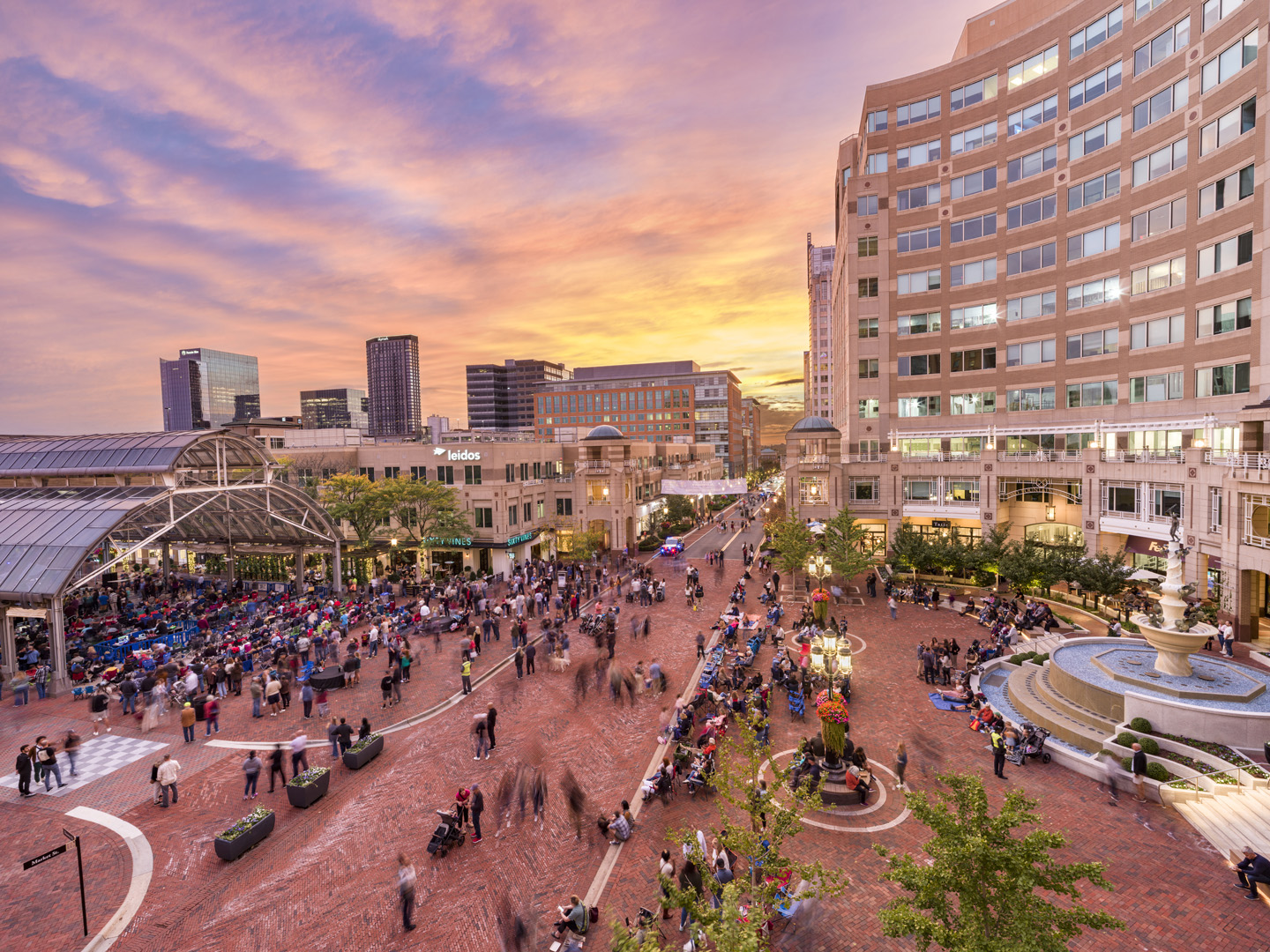
Reston
1031 exchange planning for Reston investors comparing transit-served office, mixed-use, and multifamily replacement property near Dulles Toll.
Explore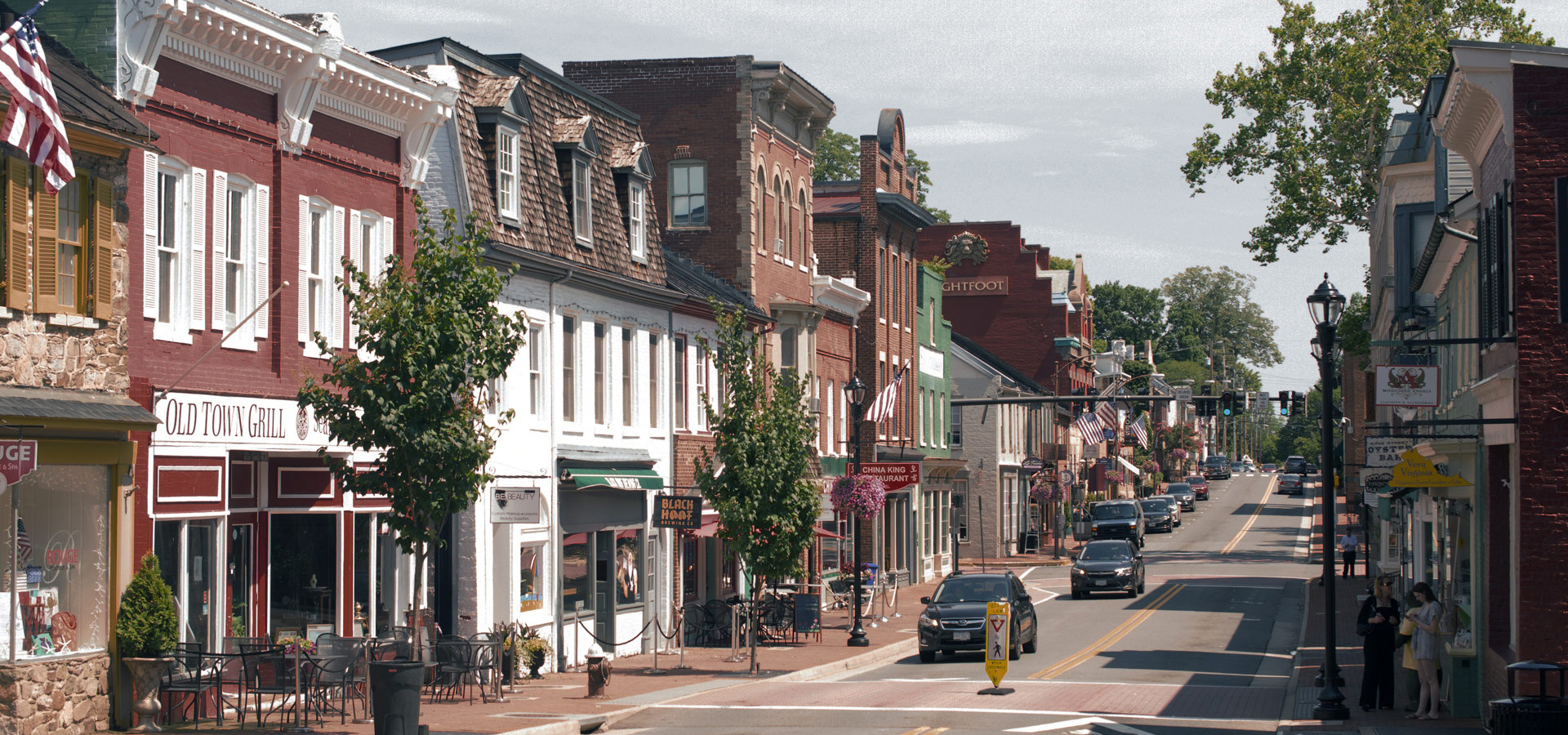
Leesburg
1031 exchange planning for Leesburg investors: historic downtown pricing, Route 7 retail underwriting, and land pressure spilling west from.
Explore
Suffolk
1031 exchange guidance for Suffolk investors: North Suffolk logistics land, Harbour View retail, Route 460 industrial corridors, and the 45-day.
ExplorePortsmouth
1031 exchange planning for Portsmouth investors: Olde Towne redevelopment, Victory Boulevard industrial, Naval Shipyard tenancy, and closing.
ExploreReady to organize the exchange file?
Share the dates, property details, and open questions for your Virginia exchange.
Start Exchange Review