
Henrico County
1031 exchange planning for Henrico County investors: Innsbrook office conversion costs, Short Pump retail rent rolls, and airport-area logistics.
Henrico County wraps Richmond's west side across three distinct submarkets: the Innsbrook corporate park, the Short Pump retail corridor, and airport-area logistics near Richmond International, and a replacement search here should be scoped to one of those three before pricing assumptions get set.
Innsbrook Office Conversion Economics
Innsbrook's suburban office parks were built for a single-tenant, drive-to-work model that has softened, and a growing share of buyers there are underwriting conversion to medical-office or flex use rather than a straight office-to-office trade. That conversion carries real mechanical, parking-ratio, and life-safety upgrade costs that should be quoted during diligence and treated as a capital line in the offer, not folded into a generic renovation allowance.
Buildings that have already completed a medical-office conversion typically command a premium over unconverted stock, since the buyer is purchasing finished repositioning work rather than taking on that risk directly.
Parking ratio is frequently the constraint that decides whether a given Innsbrook building can support a medical-office conversion at all, since medical tenants generally require a higher ratio than typical office use, and a site built to older office-parking standards may need a costly structured-parking addition to qualify.
Short Pump Retail Rent Rolls
Short Pump's retail corridor draws from one of the region's highest-income trade areas, and rent rolls here should be checked for percentage-rent clauses and co-tenancy provisions tied to the corridor's larger anchors, since those terms materially affect a smaller in-line tenant's effective rent in ways a headline occupancy figure will not show, and that gap matters most at renewal.
West Broad Street properties farther from the Short Pump core generally trade at a discount to the corridor's newest lifestyle-center product, and a buyer should confirm whether that discount reflects genuinely lower demand or simply an older, less-renovated building that could be repositioned at a reasonable cost.
Property Types Worth Identifying
Henrico County replacement candidates that recur most often:
- Office buildings in Innsbrook priced for medical or flex conversion
- Grocery-anchored or lifestyle retail near Short Pump
- Light-industrial or flex space near Richmond International Airport
- Garden-style multifamily along the West Broad Street corridor
- Self-storage serving Varina and eastern county growth areas
Varina and the eastern part of the county remain earlier in their growth curve than Short Pump or Innsbrook, which means land and self-storage pricing there is generally lower, but also means fewer completed comparable sales exist to support an appraisal, so buyers should expect more appraiser back-and-forth on value support in that part of the county before a loan can close.
Identification Around Conversion And Logistics Risk
When the target property is an Innsbrook building priced for conversion, a three-property identification pairing it with a stabilized Short Pump retail asset and an airport-area flex building gives the investor a fallback if conversion cost estimates come in above budget during the 45-day identification window. The 200% rule becomes relevant when the conversion property and its fallbacks span a wide enough price range that a strict three-property cap would otherwise be exceeded.
Airport-area logistics land can also carry aviation-easement or height-restriction considerations near flight paths that should be confirmed before identification, since a restriction discovered later can force a costly redesign of a planned build-out.
Closing Timeline Across Three Submarkets
A conversion-focused Innsbrook purchase needs permitting review time built into the closing schedule, a Short Pump retail purchase needs anchor-tenant estoppel confirmation, and an airport-area logistics purchase needs an aviation-easement and access review, so the 180-day exchange period should be planned around whichever of these three paths the investor is actually pursuing rather than a single generic commercial timeline.
The qualified intermediary, lender, and CPA should have the conversion cost estimate or aviation-easement findings documented before closing instructions are finalized, so Form 8824 reporting reflects the deal's actual terms.
Any of the three paths can also involve county utility-connection fees that vary depending on prior use of the parcel, and confirming those fees with Henrico County utilities directly, rather than relying on the seller's estimate, avoids a late budget surprise before closing. That confirmation is worth requesting in writing well ahead of the closing date.
Common 1031 Exchange Questions
Is converting an Innsbrook office building to medical use a common exchange strategy?
Yes, but budget mechanical, parking-ratio, and life-safety upgrade costs as a real capital line during diligence rather than assuming a generic renovation allowance will cover it.
What should I check in a Short Pump retail rent roll beyond the headline rent?
Review percentage-rent clauses and co-tenancy provisions tied to the corridor's larger anchors, since those terms can materially change a smaller tenant's effective rent.
Do aviation easements affect logistics property near Richmond International Airport?
They can. Confirm any height restriction or easement tied to flight paths before identification, since a restriction discovered later can force a costly redesign of a planned build-out.
Should I identify properties across all three Henrico submarkets or focus on one?
Pairing a conversion-risk Innsbrook property with a stabilized Short Pump or airport-area fallback under the three-property rule is a common way to manage conversion cost uncertainty.
What closing timeline differences should I expect between Innsbrook and Short Pump deals?
An Innsbrook conversion purchase needs permitting review time, while a Short Pump retail purchase needs anchor-tenant estoppel confirmation, so the closing schedule should reflect whichever path applies.
Explore Virginia Markets
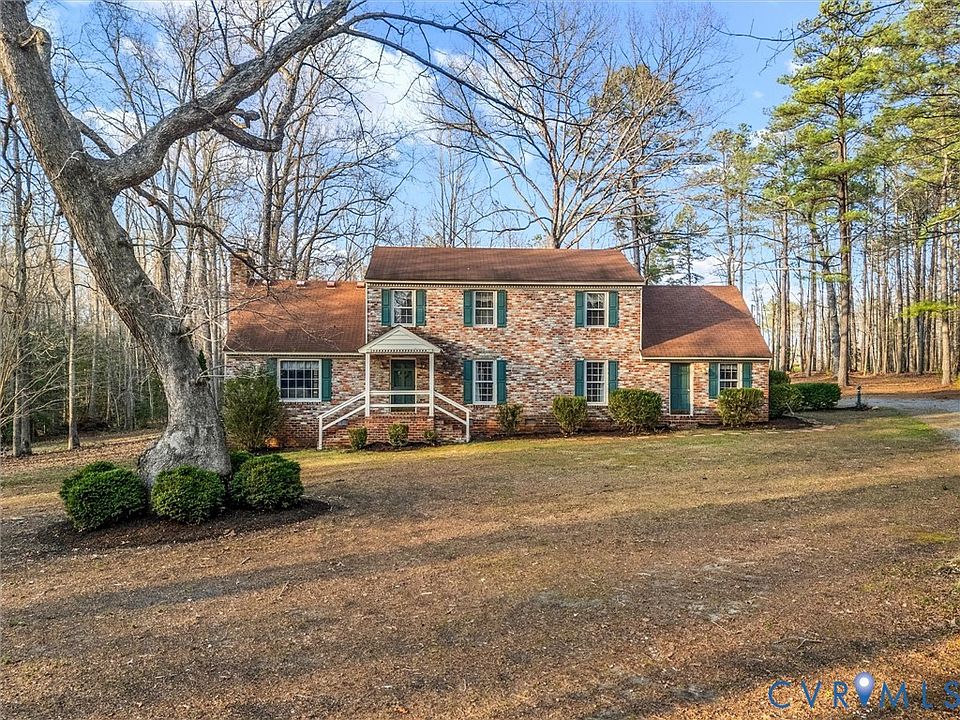
Chesterfield County
1031 exchange planning for Chesterfield County investors: Route 288 industrial growth, Midlothian retail rent rolls, and healthcare corridor.
Explore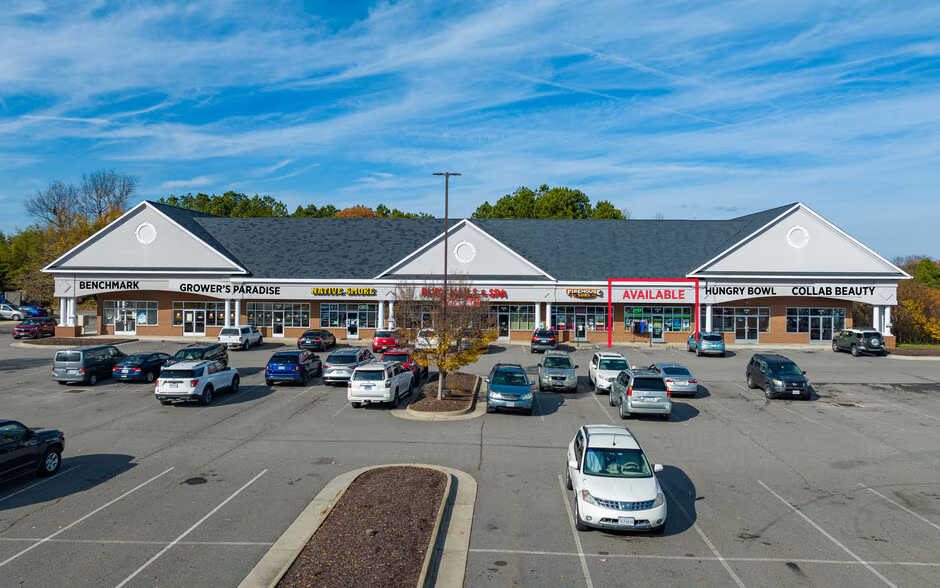
Mechanicsville
1031 exchange guidance for Mechanicsville and Hanover County investors weighing net-lease retail, medical office, and small industrial.
Explore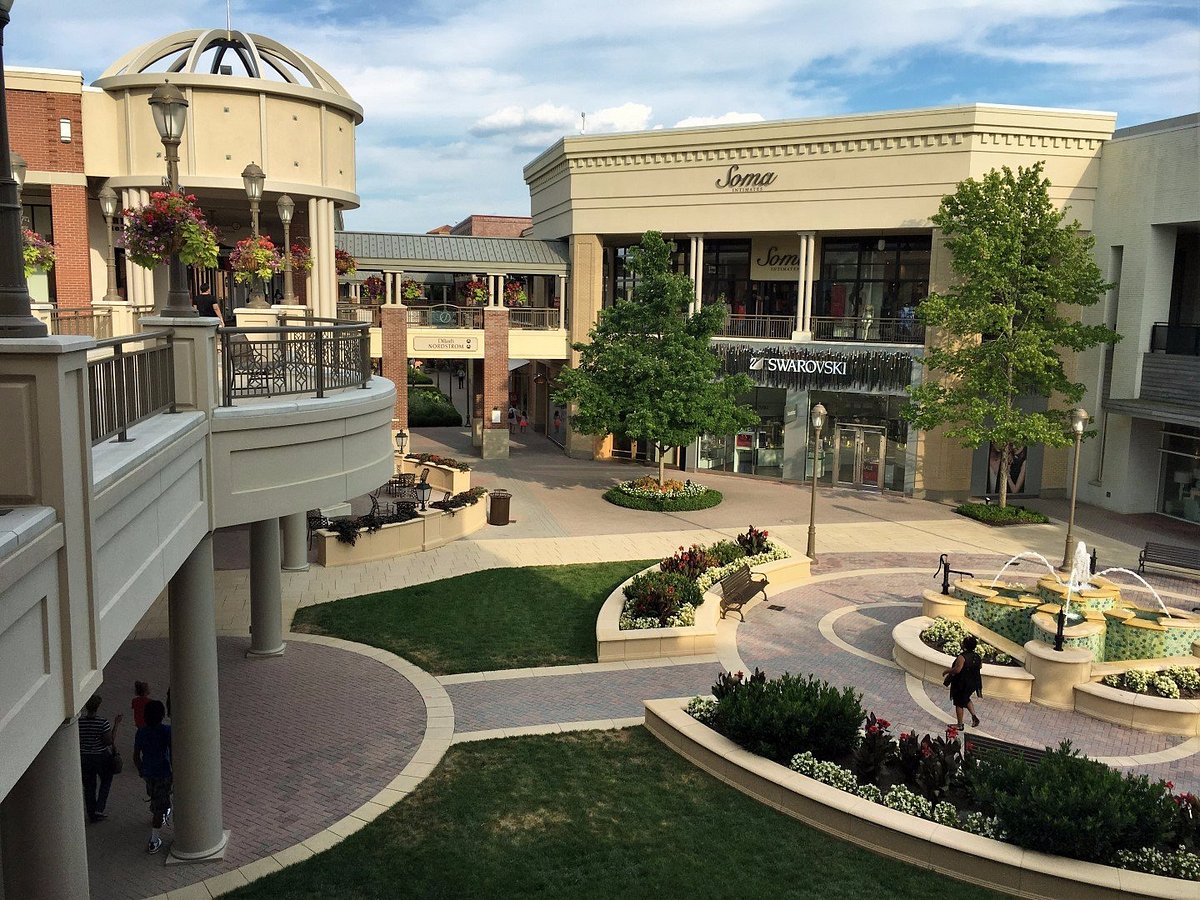
Short Pump
1031 exchange planning for Short Pump investors comparing retail, medical office, and net-lease replacement property along the West Broad Street.
Explore
Tysons
1031 exchange planning for Tysons investors weighing high-rise office, mixed-use, and net-lease replacement property during the district's.
ExploreReady to organize the exchange file?
Share the dates, property details, and open questions for your Virginia exchange.
Start Exchange Review