
Williamsburg
1031 exchange planning for Williamsburg investors comparing tourism-adjacent retail, New Town mixed-use, and retirement-community replacement property.
Williamsburg's economy runs on a combination that shows up in few other Virginia markets: Colonial Williamsburg's living-history tourism draw, William & Mary's academic-calendar demand, and a growing base of retirement communities drawn by the area's amenities and mild climate. An exchange buyer here is really choosing among three different tenant profiles — tourists, students, and retirees — and the property should be underwritten against whichever of those actually drives its income.
William & Mary's academic calendar creates its own demand pattern, particularly for multifamily and service retail near campus, with occupancy and foot traffic that rise and fall around the fall and spring semesters rather than the summer tourist peak. A property serving primarily student and faculty demand should be underwritten against that calendar, which runs opposite the Oceanfront-style seasonal pattern seen elsewhere in coastal Virginia.
Historic District Retail Versus New Town's Modern Format
Retail near Merchants Square and the historic district operates under design and use restrictions tied to the area's historic character, which limits signage, storefront alterations, and in some cases the types of tenants that can occupy a given space. Any renovation or repositioning plan for a historic-district property needs sign-off from the relevant architectural review process well before a lease or capital plan is finalized, and that review timeline should be confirmed directly rather than estimated. Signage restrictions in particular catch buyers off guard, since a national retail tenant's standard storefront package often needs a custom, muted design to satisfy the historic district's review board, and that redesign process alone can add weeks to a tenant improvement timeline that would otherwise be routine in New Town or along Richmond Road.
New Town, built as a more conventional mixed-use development east of the historic core, trades without those restrictions and functions more like a standard suburban Virginia retail and office project, with cap rates and lease structures closer to what an investor would find in Richmond's suburban submarkets than in the historic district a few miles away.
Williamsburg's Practical Search Areas
A realistic identification list for this market draws from:
- Merchants Square and historic-district retail
- New Town mixed-use retail and office
- Richmond Road corridor retail and hospitality-adjacent property
- Retirement-community-adjacent medical and service retail
- Lightfoot and the I-64 interchange commercial nodes
Retirement-community-adjacent medical and service retail benefits from a more stable, less seasonal tenant base than the tourism-driven Richmond Road corridor, which is worth weighing if income durability matters more than peak-season upside.
Underwriting the Tourism-Dependent Slice of the Market
Hospitality-adjacent retail and service properties along Richmond Road see a substantial share of annual revenue concentrated in the warmer tourist season, so request a full trailing-twelve-month operating statement rather than relying on any single quarter, and ask specifically how the seller's reported numbers reflect any off-season closures or reduced-hours operations that are common for tourism-dependent tenants in this market.
Sequencing Historic-District Purchases Inside the Exchange Clock
If a historic-district property is part of the replacement strategy, start the architectural review and permitting conversation with the relevant local authority as early as possible in the 45-day identification window, since approval timelines for any exterior or signage change can run longer than a standard title and survey process. Keep the qualified intermediary informed of that timeline so the 180-day closing period accounts for any pending review rather than assuming a standard commercial closing pace.
Common 1031 Exchange Questions
Do historic-district restrictions in Williamsburg affect a property's 1031 eligibility?
No, historic-district design restrictions have no bearing on whether a property qualifies as like-kind real estate for a 1031 exchange. They do affect what renovation or signage changes are allowed, so confirm the architectural review process and realistic approval timeline before finalizing any repositioning plans.
Is New Town a safer replacement-property choice than the historic district?
New Town trades without historic-district design restrictions and functions more like a conventional suburban Virginia retail and office project, which can make underwriting more straightforward. Whether it's the better choice depends on the investor's goals — historic-district property can offer strong tourism-driven income despite the added renovation constraints.
How should tourism seasonality be factored into Richmond Road corridor retail underwriting?
Request a full trailing-twelve-month operating statement and ask specifically about any off-season closures or reduced-hours operations, since revenue along this corridor concentrates heavily in the warmer tourist months. A partial-year snapshot can give a misleading picture of the property's actual stabilized performance.
Are retirement-community-adjacent properties less seasonal than tourism-driven retail in Williamsburg?
Generally yes. Medical and service retail near the area's retirement communities tends to see steadier year-round demand than tourism-dependent retail along Richmond Road, which can make it a better fit for an investor prioritizing income durability over peak-season upside.
Does William & Mary's academic calendar affect Williamsburg multifamily underwriting?
Yes, properties serving primarily student and faculty tenants see occupancy and demand patterns tied to the fall and spring semesters rather than the summer tourist peak that drives Oceanfront-style seasonal markets elsewhere in coastal Virginia. Request leasing and occupancy history broken out by semester rather than by calendar quarter when evaluating a campus-adjacent property.
Why can tenant improvement work take longer in Williamsburg's historic district than in New Town?
A national retail tenant's standard storefront package often needs a custom, muted design to satisfy the historic district's architectural review board, and that redesign process can add weeks to a buildout timeline that would otherwise be routine. Factor this into any lease-up or renovation schedule before assuming a historic-district vacancy will fill as quickly as a comparable New Town space.
Explore Virginia Markets
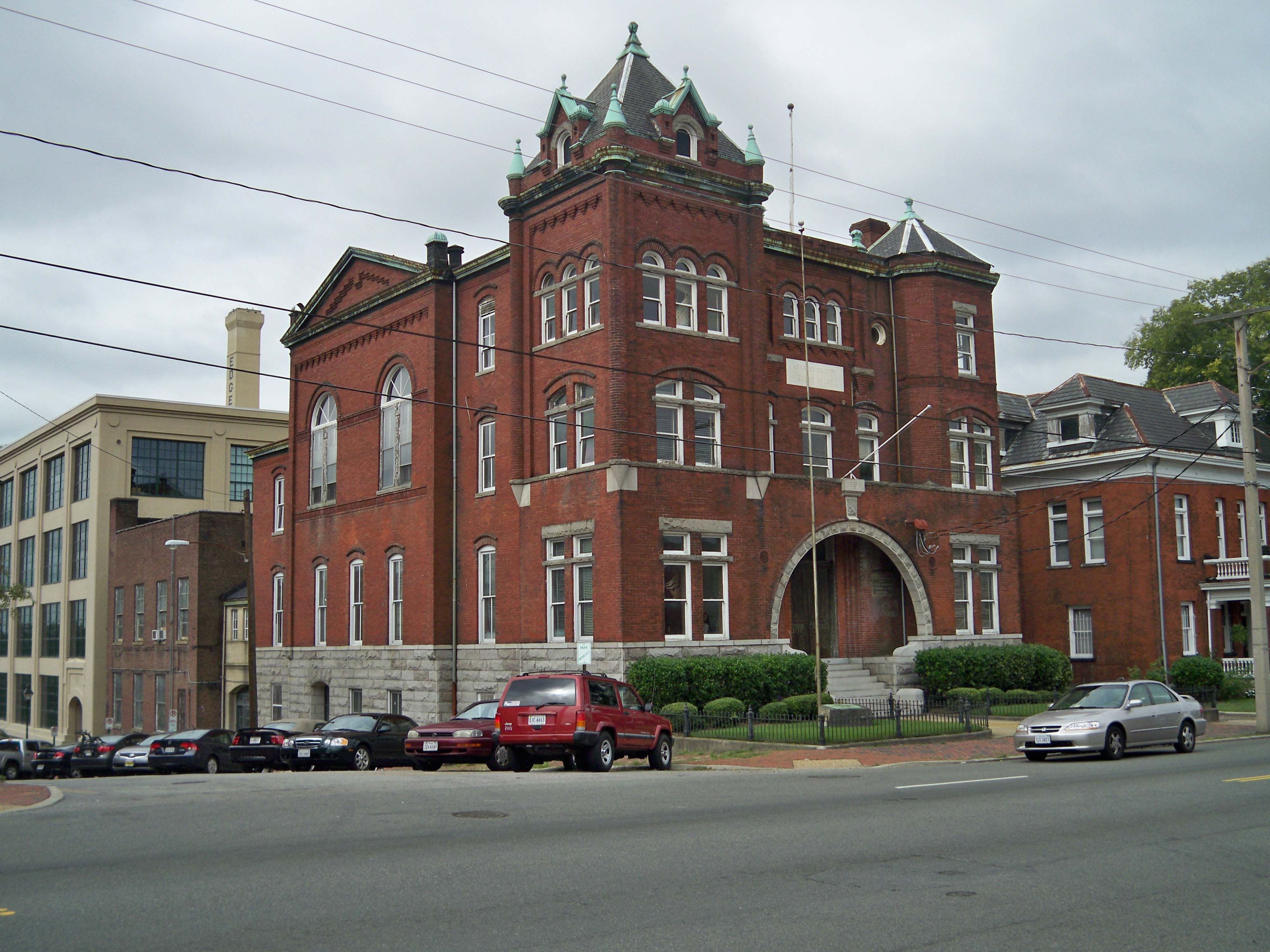
Henrico County
1031 exchange planning for Henrico County investors: Innsbrook office conversion costs, Short Pump retail rent rolls, and airport-area logistics.
Explore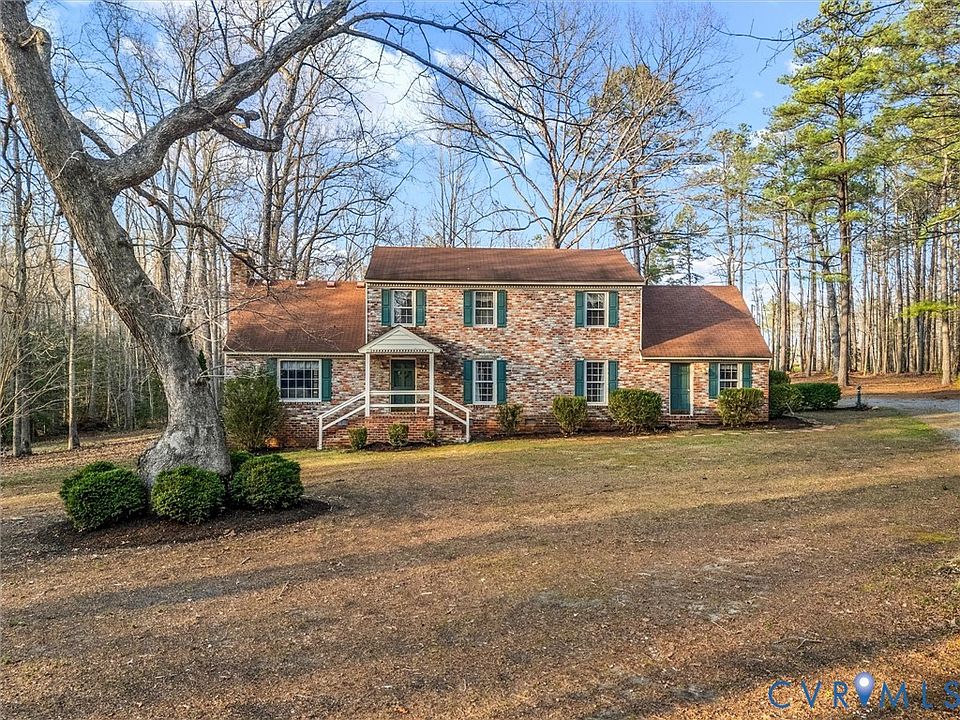
Chesterfield County
1031 exchange planning for Chesterfield County investors: Route 288 industrial growth, Midlothian retail rent rolls, and healthcare corridor.
Explore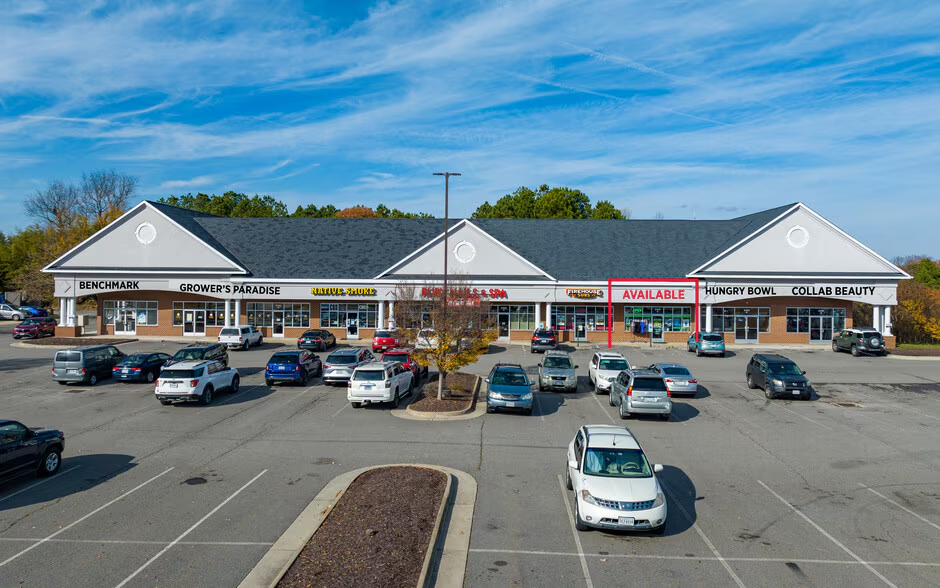
Mechanicsville
1031 exchange guidance for Mechanicsville and Hanover County investors weighing net-lease retail, medical office, and small industrial.
Explore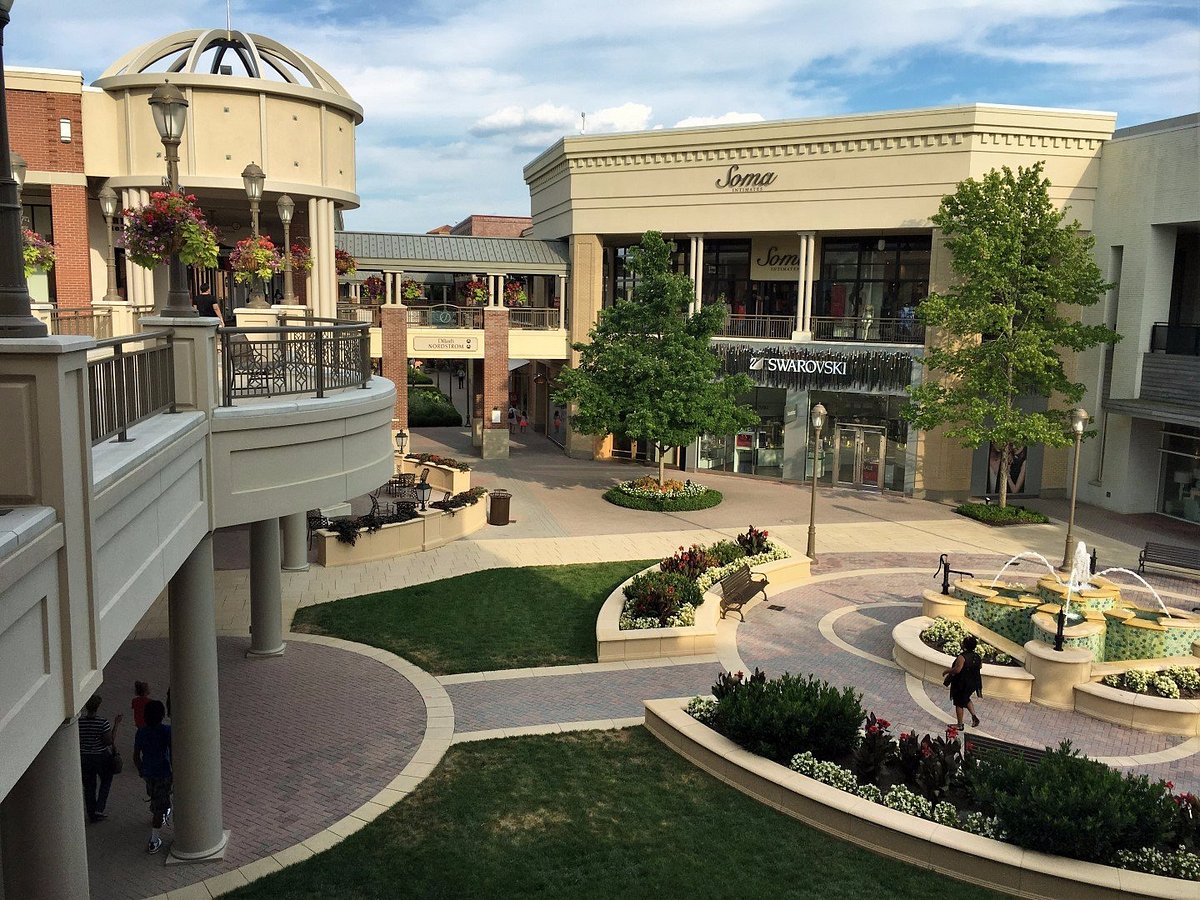
Short Pump
1031 exchange planning for Short Pump investors comparing retail, medical office, and net-lease replacement property along the West Broad Street.
ExploreReady to organize the exchange file?
Share the dates, property details, and open questions for your Virginia exchange.
Start Exchange Review