
Fredericksburg
1031 exchange planning for Fredericksburg investors: I-95 corridor logistics growth, Central Park retail rent rolls, and Stafford-Spotsylvania timing.
Fredericksburg sits at the midpoint of the I-95 corridor between Richmond and Washington, and that geography drives most of what trades here: distribution space feeding both metros, commuter-oriented retail, and residential growth in Stafford and Spotsylvania counties pulling more commercial demand toward the interchange nodes.
I-95 Interchange Logistics Demand
Distribution and flex product near the Route 3 and Route 17 interchanges has benefited from occupiers who need reach into both the Richmond and Washington metros without paying either metro's land cost, and that positioning has kept industrial rents climbing faster here than in many comparable secondary markets. A buyer underwriting one of these buildings should confirm truck-route access and any weight-restricted local roads before assuming full-size trailer traffic is unrestricted.
Older buildings farther from the interchanges compete on price rather than access, and that price gap should be reflected in the offer, not treated as upside, since it typically persists until the surrounding road network is expanded.
Central Park And Downtown Retail
Retail at Central Park and Celebrate Virginia leases to regional and national tenants drawing from both the city and the surrounding counties, while Downtown Fredericksburg's historic storefronts lease to smaller local and regional tenants at a different rent basis entirely. Comparing the two on a blended cap rate misses the fact that they are really two separate tenant markets.
Downtown storefronts also depend more heavily on tourism tied to the city's historic sites and battlefield attractions, which makes seasonal foot-traffic patterns a bigger factor in underwriting a downtown lease renewal than it would be for a Central Park tenant drawing steady commuter and resident traffic year-round.
Property Types That Recur Here
Fredericksburg exchange files most often include:
- Distribution or flex buildings near I-95 interchanges
- Grocery-anchored retail in Central Park or Celebrate Virginia
- Historic downtown retail or mixed-use buildings
- Garden-style multifamily in Stafford or Spotsylvania growth areas
- Self-storage serving new residential subdivisions
Self-storage in the fast-growing Stafford and Spotsylvania subdivisions has become a more common exchange target in recent years, since it requires less active management than retail or multifamily and its demand is tied directly to the region's ongoing residential construction rather than to any single employer or industry.
Identification Timing For A Growth Corridor
Because Fredericksburg industrial pricing has been rising, an exchanger who identifies a single preferred distribution building under a three-property list should also name at least one lower-priced fallback, such as a downtown retail property or a multifamily asset in Spotsylvania, in case the industrial deal's diligence uncovers a road-access or weight-restriction issue inside the 45-day window.
If the fallback and preferred properties differ substantially in value, the 200% rule keeps both realistically identifiable, and any boot created by ultimately closing on the lower-priced fallback should be reviewed with the investor's tax advisor before the exchange period closes. That review is best done as soon as the fallback becomes the likely outcome, not after the closing statement is already drafted.
Closing Coordination Across County Lines
A Fredericksburg-area exchange can involve property in the city itself, Stafford County, or Spotsylvania County, each of which runs its own permitting and utility review timeline at its own pace, and confirming which jurisdiction governs a given parcel early prevents a late surprise in the closing schedule. Road-access approvals near I-95 interchanges in particular can take longer than a standard commercial closing allows for, since VDOT review adds an extra layer beyond local jurisdiction approval.
The qualified intermediary, lender, and tax advisor should have the jurisdiction-specific approval status documented before final closing instructions are issued, keeping the file consistent for Form 8824 reporting.
Because this corridor sits between two larger metros, comparable-sales data can be thin for any single niche, such as historic downtown retail, and an appraiser may need to pull comps from both the Richmond and Washington sides of the corridor, which is worth flagging to the lender before the appraisal is ordered so the review timeline is not underestimated at the outset.
Common 1031 Exchange Questions
Why has industrial rent grown faster near Fredericksburg's I-95 interchanges than in older buildings?
Interchange-adjacent buildings offer reach into both the Richmond and Washington metros without either metro's land cost, which has pulled demand and rent growth toward those specific locations over older, less accessible product.
Should I compare Central Park retail and Downtown Fredericksburg retail on the same cap rate?
No, they draw from different tenant markets. Central Park leases to regional and national tenants while downtown leases to smaller local tenants at a different rent basis, so blend them carefully rather than treating them as one submarket.
What road-access issue should I check before identifying an I-95-adjacent distribution building?
Confirm truck-route access and check for any weight-restricted local roads before assuming unrestricted full-size trailer access, since that affects the tenant pool that can actually use the building.
Does it matter whether my Fredericksburg-area property is in the city, Stafford, or Spotsylvania?
Yes, each jurisdiction has its own permitting and utility review timeline. Confirm which jurisdiction governs the parcel early so the closing schedule reflects the right approval process.
What is a reasonable fallback if my preferred I-95 industrial building falls through in diligence?
A downtown retail property or Spotsylvania multifamily asset identified alongside it under the three-property or 200% rule gives you a realistic path forward inside the 45-day window.
Explore Virginia Markets
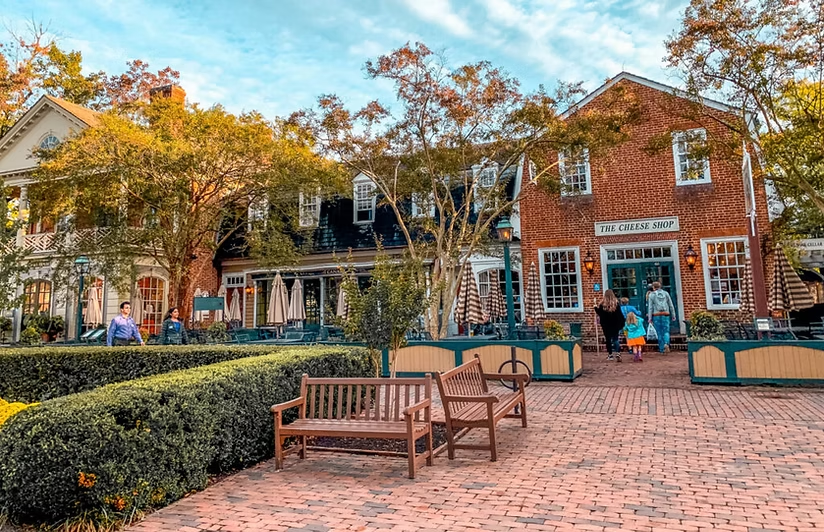
Williamsburg
1031 exchange planning for Williamsburg investors comparing tourism-adjacent retail, New Town mixed-use, and retirement-community replacement.
Explore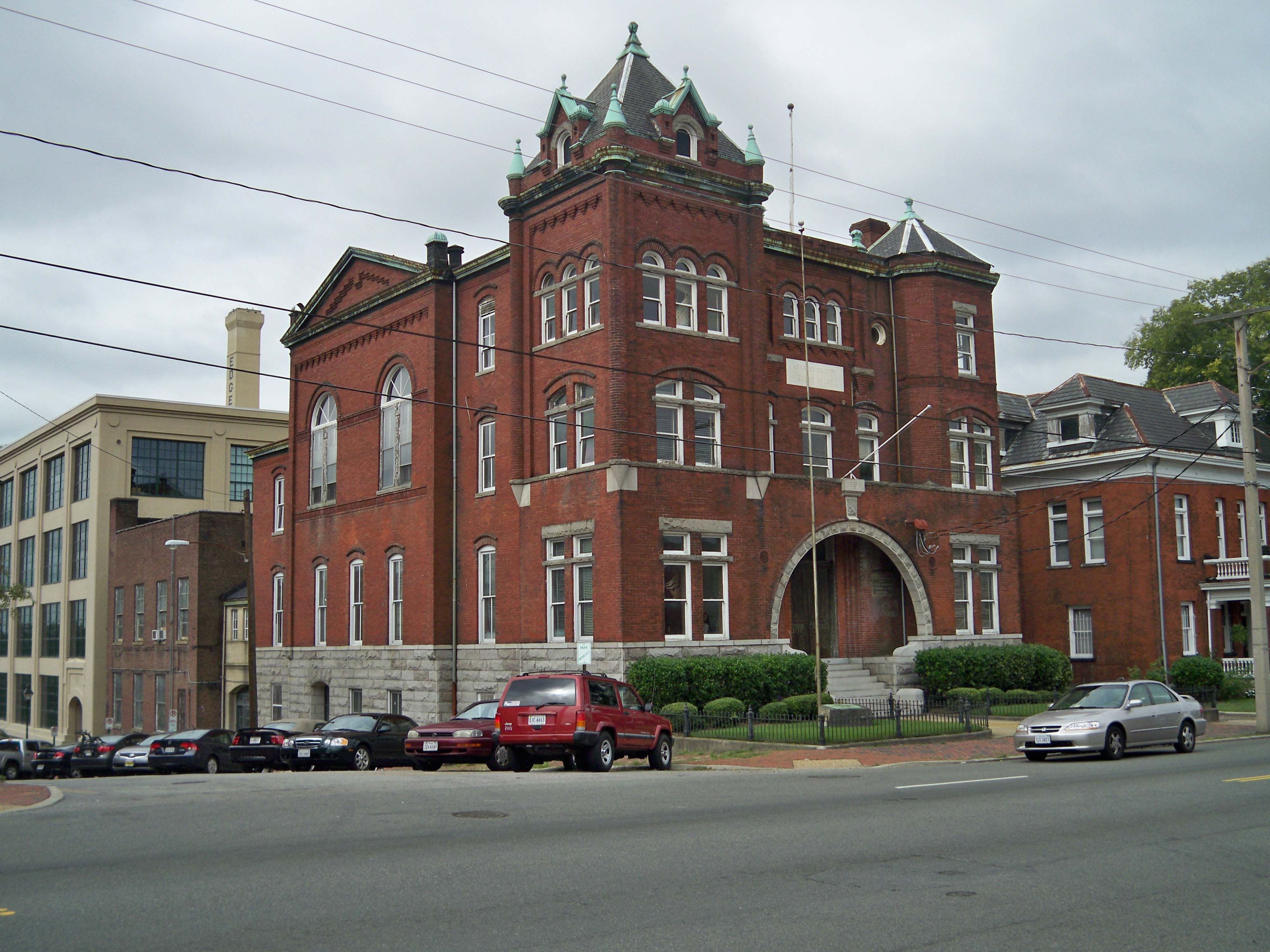
Henrico County
1031 exchange planning for Henrico County investors: Innsbrook office conversion costs, Short Pump retail rent rolls, and airport-area logistics.
Explore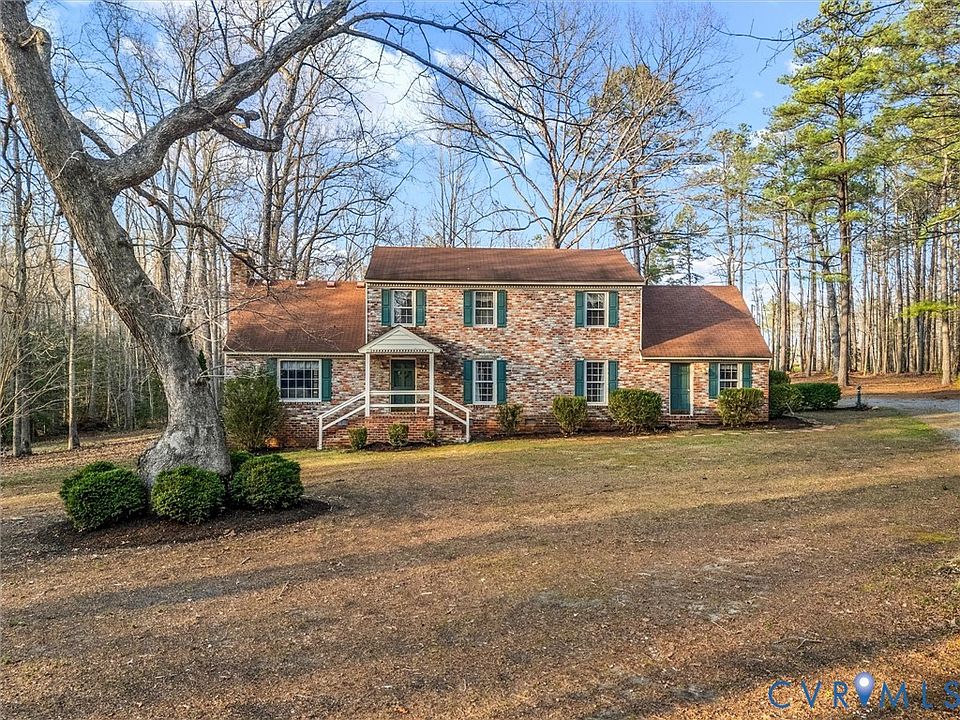
Chesterfield County
1031 exchange planning for Chesterfield County investors: Route 288 industrial growth, Midlothian retail rent rolls, and healthcare corridor.
Explore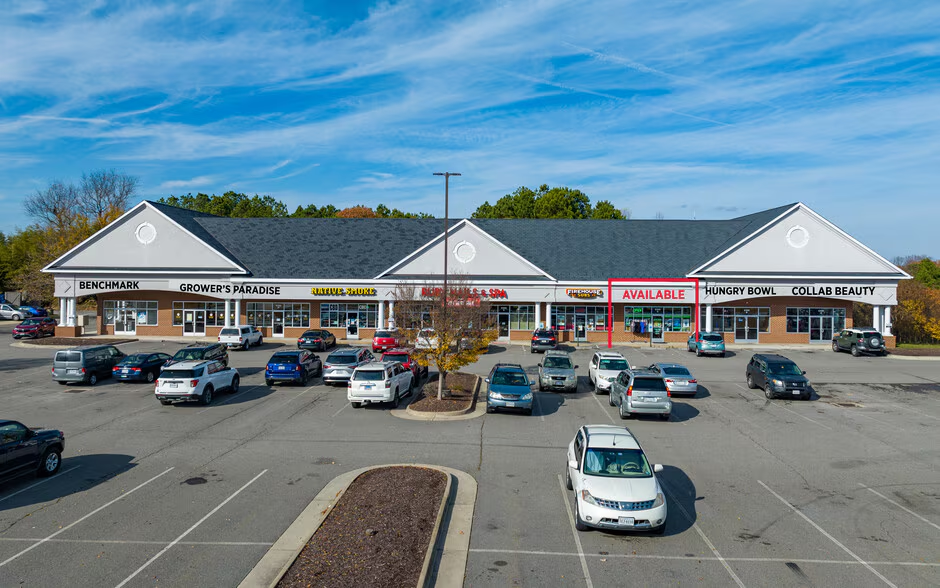
Mechanicsville
1031 exchange guidance for Mechanicsville and Hanover County investors weighing net-lease retail, medical office, and small industrial.
ExploreReady to organize the exchange file?
Share the dates, property details, and open questions for your Virginia exchange.
Start Exchange Review