
Charlottesville
1031 exchange planning for Charlottesville investors: UVA Health tenant risk, Downtown Mall pricing, thin inventory, and honest DST backup math.
Charlottesville is a small exchange market by transaction count, and the honest first step is admitting that the local shelf of qualifying replacement property is thinner than in Richmond or Northern Virginia. Budgets here should reflect that scarcity directly rather than assume a supply of comparable deals that may not appear before the identification deadline.
University And Health System Demand
UVA and UVA Health drive a large share of Charlottesville's medical-office, multifamily, and service-retail demand, which means lease and rent-roll underwriting should treat university-cycle seasonality and health-system tenant renewal patterns as real variables, not footnotes. A medical-office building leased primarily to UVA Health-affiliated practices behaves differently at renewal than one leased to independent physician groups.
Student-driven multifamily demand near the university core also compresses seasonally, and a rent roll pulled in August will read differently than one pulled in February; either should be normalized before it goes into an exchange underwriting model.
What Trades Here
Replacement candidates that actually clear in this market tend to fall into a short set:
- Small medical-office or professional-office buildings near the UVA corridor
- Downtown Mall or Pantops retail with a stable regional tenant
- Garden-style multifamily in Albemarle County growth areas
- Self-storage serving the broader Route 29 corridor
- DST fractional interests when no local property fits the identification budget in time
Pantops has drawn more of the recent retail and medical-office construction than downtown, since land is easier to assemble there, and a buyer comparing a Pantops building to a downtown one should expect a lower per-square-foot basis paired with less scarcity value. Neither is wrong for an exchange; they simply answer different investment goals.
Pricing And Entitlement Friction
Downtown Mall and Ivy Road-area assets often carry premium pricing that does not fully track their income, since scarcity and historic-district or entitlement constraints support values independent of current rent. A buyer underwriting one of these on cap rate alone can miss that the price is really a bet on future redevelopment or entitlement upside.
Parking limitations and historic-district review timelines are the two friction points that most often stretch a Charlottesville closing calendar past what an out-of-market buyer expects.
An investor comparing a Downtown Mall property to a Pantops or Route 29 alternative should price that entitlement uncertainty explicitly rather than netting it against current rent, since two buildings with identical trailing income can carry very different levels of future upside depending on their entitlement status.
Identification Strategy For A Thin Shelf
Because qualifying local inventory is limited, Charlottesville exchangers frequently need to identify beyond three local properties from day one, using the 200% rule to keep a realistic backup list, or pairing one strong local candidate with a DST allocation identified under the same 45-day window as a fallback. Waiting to see if a better local property appears before finalizing the list is the most common way investors miss the identification deadline here, and it is an avoidable mistake in a market this thin.
Any DST portion of the identification list still needs the qualified intermediary's written confirmation and should be discussed with the investor's tax advisor early, since DST interests carry their own suitability and holding-period considerations separate from direct ownership.
Closing Discipline In A Small Market
Because so few comparable sales close in Charlottesville in a given year, appraisal support can be thinner than in larger metros, and lenders sometimes ask for expanded comparable sets pulled from Richmond or the broader I-64 corridor. Building that extra appraisal review time into the schedule protects the 180-day exchange period.
A written closing file that documents why a given Charlottesville property was chosen over the DST fallback, and what backup path exists if financing or title issues arise, keeps the CPA, qualified intermediary, and lender aligned through Form 8824 reporting.
Because small-market appraisals sometimes lean on comparables outside Charlottesville proper, the investor's advisor should confirm those comparables are genuinely similar in tenant profile and building age, rather than accepting a broader regional average that could overstate or understate the property's true value. Requesting the appraiser's comparable list in advance gives the investor a chance to flag a mismatch before the appraisal is finalized rather than after.
Common 1031 Exchange Questions
Is Charlottesville a realistic market to complete a full 1031 exchange without a DST backup?
It can be, but the local shelf of qualifying commercial property is thin, so most experienced exchangers here build in a DST or out-of-market backup rather than relying only on local inventory.
How should I underwrite a medical-office building leased to UVA Health-affiliated tenants?
Treat health-system renewal patterns and university-cycle seasonality as real underwriting variables, not footnotes, and confirm whether individual practice leases or a system-wide agreement governs renewal.
Why does Downtown Mall retail sometimes price above what its rent roll supports?
Scarcity and historic-district or entitlement constraints can support pricing independent of current income, so a buyer is often underwriting future redevelopment potential rather than in-place cash flow.
What is the biggest identification mistake investors make in a small market like this?
Waiting to see if a better local property appears before finalizing the 45-day identification list. A thin shelf means backup candidates, including DST allocations, should be identified from the start.
Should I expect appraisal delays in Charlottesville?
Often yes, since fewer comparable sales close locally each year and lenders may need to pull comparables from Richmond or the broader I-64 corridor, which adds time to underwriting.
Explore Virginia Markets

Fredericksburg
1031 exchange planning for Fredericksburg investors: I-95 corridor logistics growth, Central Park retail rent rolls, and Stafford-Spotsylvania.
Explore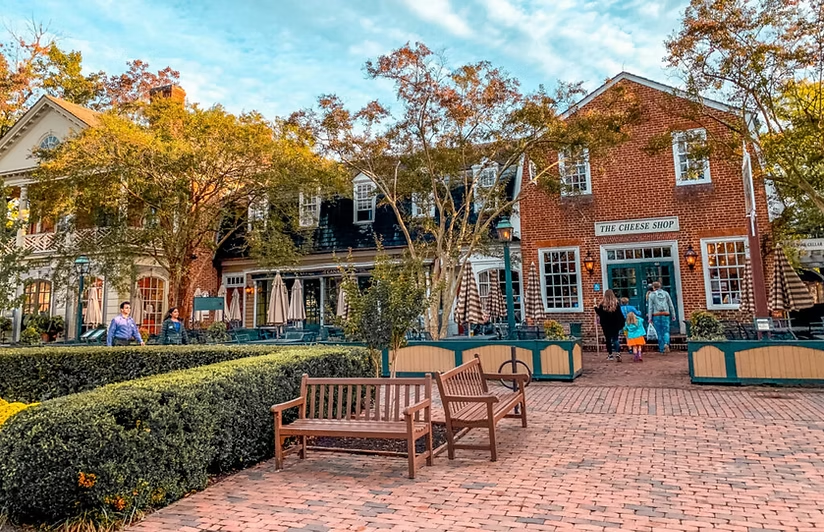
Williamsburg
1031 exchange planning for Williamsburg investors comparing tourism-adjacent retail, New Town mixed-use, and retirement-community replacement.
Explore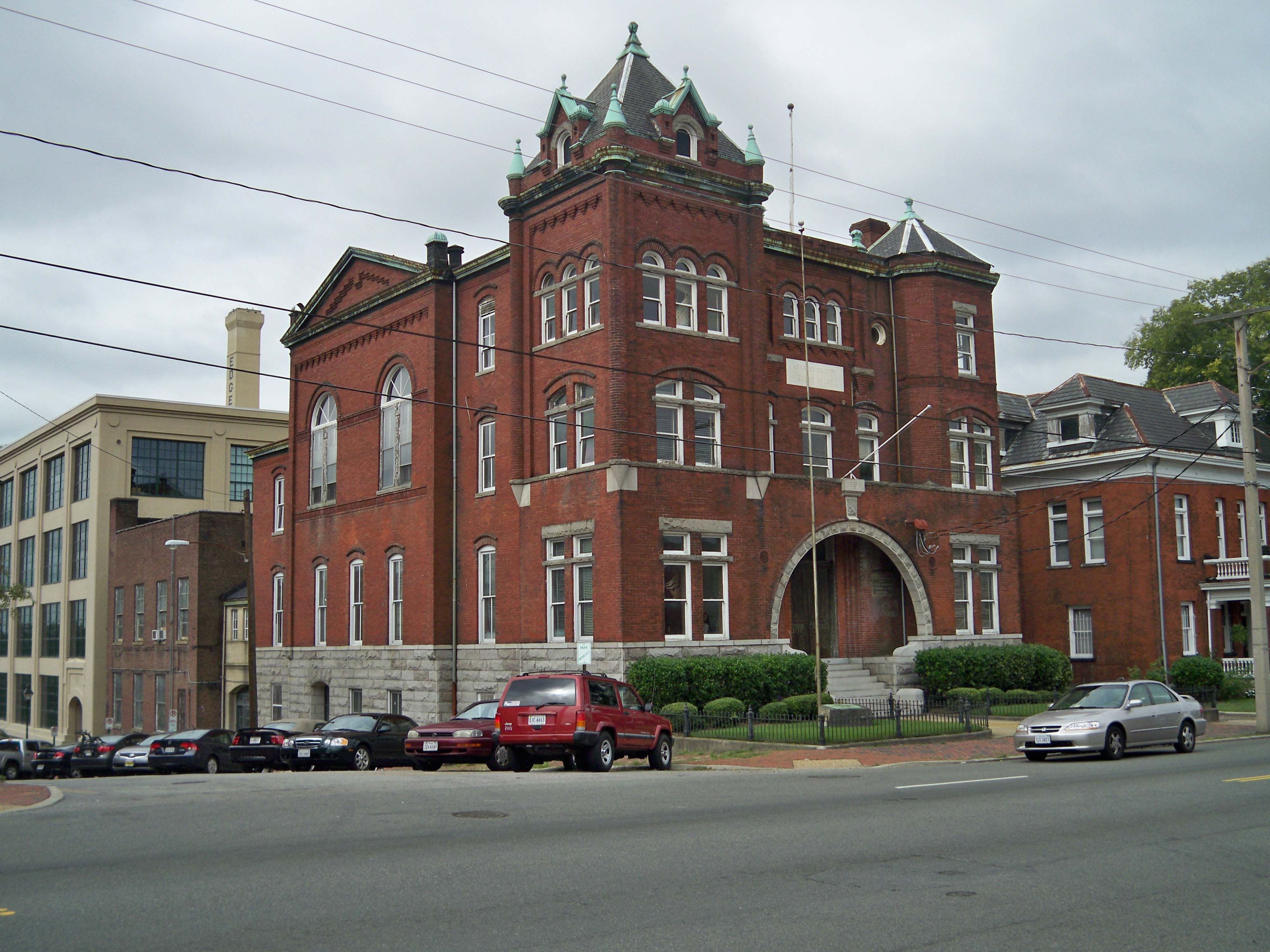
Henrico County
1031 exchange planning for Henrico County investors: Innsbrook office conversion costs, Short Pump retail rent rolls, and airport-area logistics.
Explore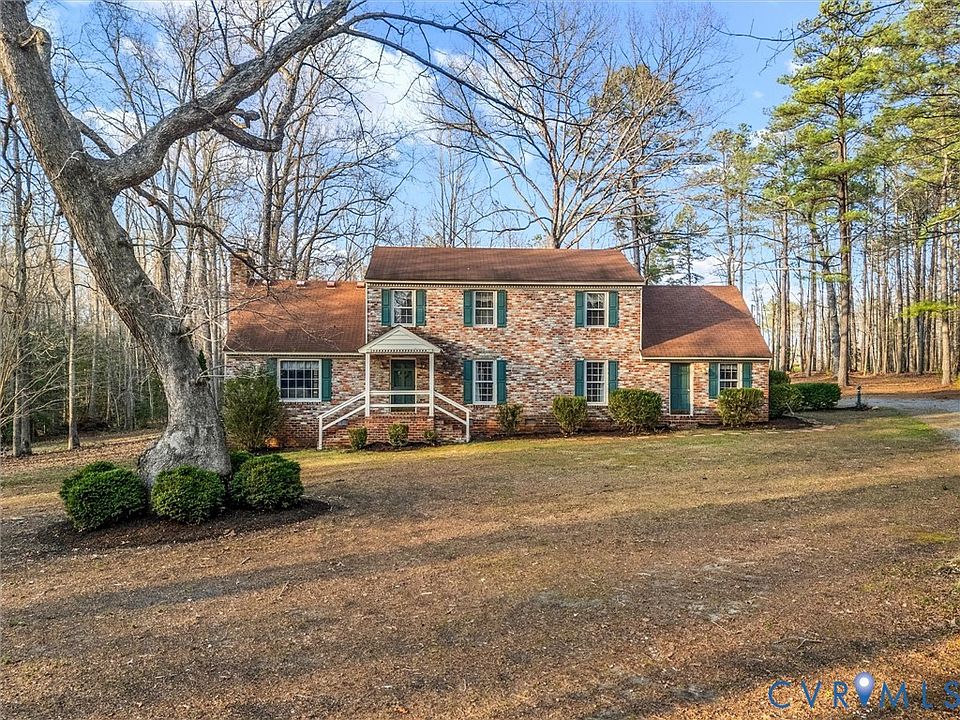
Chesterfield County
1031 exchange planning for Chesterfield County investors: Route 288 industrial growth, Midlothian retail rent rolls, and healthcare corridor.
ExploreReady to organize the exchange file?
Share the dates, property details, and open questions for your Virginia exchange.
Start Exchange Review