
Hampton
1031 exchange planning for Hampton investors: Langley and NASA-driven demand, Coliseum Central retail underwriting, and floodplain insurance costs.
Hampton's exchange market runs on Peninsula fundamentals: a large military and aerospace employment base tied to Langley Air Force Base and NASA Langley, a mature retail corridor around Coliseum Central, and an older building stock where insurance and floodplain costs deserve as much attention as the rent roll.
Langley And Aerospace-Linked Demand
Retail, multifamily, and service-office demand near Langley and the aerospace research corridor tends to be more stable than cyclical, since federal employment and long-duration research contracts do not swing with the broader economy the way private-sector leasing does. A buyer underwriting a Hampton property near this base should weight that employment stability as a real credit factor rather than a soft narrative point.
Hampton University's presence adds a second, separate demand driver for off-campus multifamily and nearby service retail that should be modeled independently from the military and aerospace base rather than combined into one generic institutional-demand assumption.
A property that draws from both demand sources, such as a service-retail center positioned between the university and the Langley corridor, typically shows steadier occupancy across economic cycles than one dependent on a single driver, which is worth weighing against a marginally higher headline yield elsewhere.
Coliseum Central Retail Underwriting
Coliseum Central is Hampton's primary big-box and service-retail corridor, and rent rolls here should be checked for co-tenancy clauses tied to the corridor's anchor tenants, since an anchor vacancy can trigger rent reductions or termination rights for smaller in-line tenants that would not show up in a simple occupancy percentage, and that risk should be underwritten explicitly in the offer rather than assumed away by a healthy headline occupancy number.
Property Types In The Search
Hampton replacement candidates commonly identified in exchange files:
- Big-box or in-line retail near Coliseum Central and Mercury Boulevard
- Garden-style multifamily near Phoebus or Buckroe
- Small medical-office or professional buildings near the Langley corridor
- Light-industrial or flex space with I-64 access
- Net-lease retail with a single regional or national tenant
Net-lease retail with a single regional or national tenant is often the simplest underwriting exercise in Hampton, since the tenant's own credit quality does most of the work, but the tradeoff is a lower going-in yield than the multi-tenant Coliseum Central alternative. Which one fits depends on whether the investor is prioritizing management simplicity or current income.
Floodplain And Insurance Cost Discipline
A meaningful portion of Hampton's waterfront and low-lying commercial stock sits in mapped flood zones, and flood insurance premiums, elevation-certificate requirements, and any prior flood-loss history need to be priced into net operating income before a replacement property is identified, not discovered during final loan underwriting. Older retail buildings near Buckroe and the waterfront in particular should get an elevation-certificate review early.
A property with a documented history of prior flood claims can also face higher premiums going forward regardless of current elevation-certificate status, so requesting the seller's insurance claims history is a worthwhile diligence step even on a building that appears to be outside the highest-risk flood zone on current maps.
Identification And Closing Sequence
A three-property identification that pairs a Coliseum Central retail candidate with a Langley-adjacent office or multifamily property gives an exchanger exposure to both of Hampton's demand drivers while the 45-day window is open, and any flood-insurance cost gap discovered after identification should be flagged to the investor's tax advisor since it can affect the net proceeds calculation and boot exposure.
Closing schedules here should reserve time for elevation-certificate confirmation and flood-zone insurance quotes before the lender clears to fund, and the qualified intermediary should have that documentation on file before the 180-day exchange period closes so Form 8824 reporting reflects the actual insured cost structure.
Investors weighing a Hampton property against a comparable one farther inland should run both insurance scenarios side by side before identification, since the flood-insurance gap alone can be large enough to change which property actually produces the better after-cost return. That comparison should use an actual insurance quote rather than a rough estimate, since flood premiums can vary meaningfully even between two nearby parcels sitting on slightly different elevation contours within the same block.
Common 1031 Exchange Questions
How stable is Langley and NASA-adjacent commercial demand compared to typical private-sector leasing?
Federal employment and long-duration research contracts tend to be more stable than cyclical private-sector demand, which is a real underwriting factor for properties near the Langley and aerospace research corridor.
What should I check in a Coliseum Central retail rent roll besides occupancy?
Look for co-tenancy clauses tied to anchor tenants. An anchor vacancy can trigger rent reductions or termination rights for smaller in-line tenants that a simple occupancy number will not reveal.
How much do flood insurance costs affect Hampton property underwriting?
Enough that they should be built into net operating income before identification, not discovered during loan underwriting. Get an elevation certificate and insurance quote early, especially near Buckroe and the waterfront.
Should I combine Hampton University-driven demand with Langley-driven demand in my underwriting?
Model them separately. The university and the military and aerospace base draw different tenant pools with different seasonality and lease patterns.
What happens if a flood-insurance cost estimate rises after I identify a Hampton property?
That increase can affect net proceeds reinvested and create boot exposure, so it should be reviewed with your tax advisor before the 180-day exchange period closes.
Explore Virginia Markets

Roanoke
1031 exchange planning for Roanoke investors weighing healthcare-adjacent medical office, I-81 distribution, and multifamily replacement.
Explore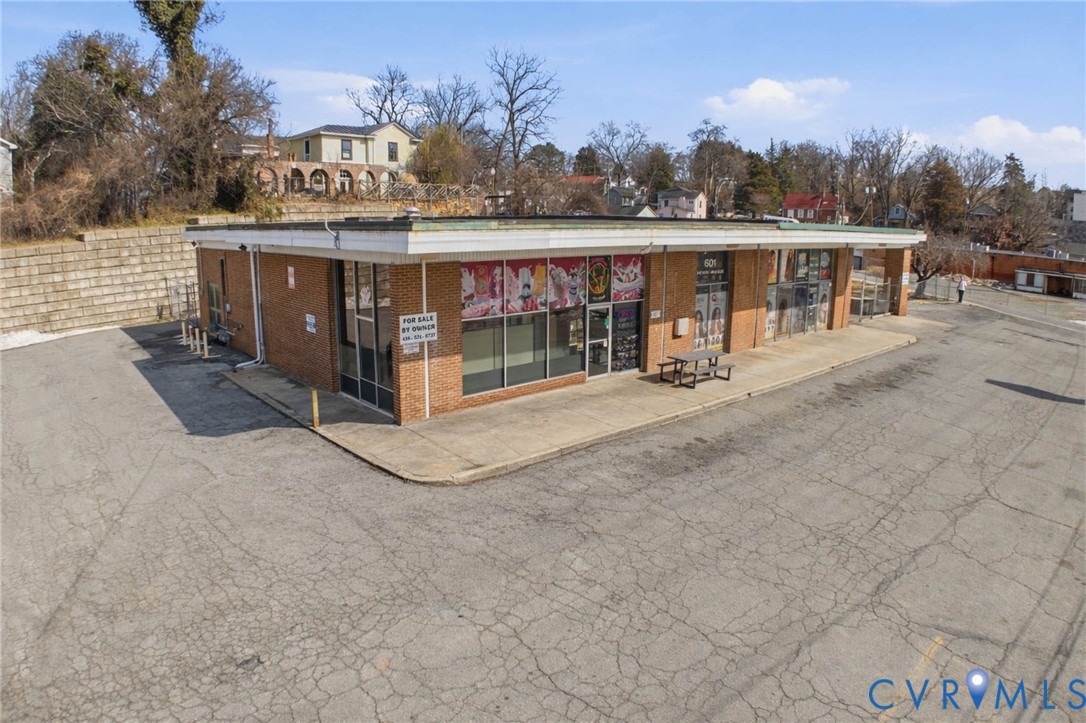
Charlottesville
1031 exchange planning for Charlottesville investors: UVA Health tenant risk, Downtown Mall pricing, thin inventory, and honest DST backup math.
Explore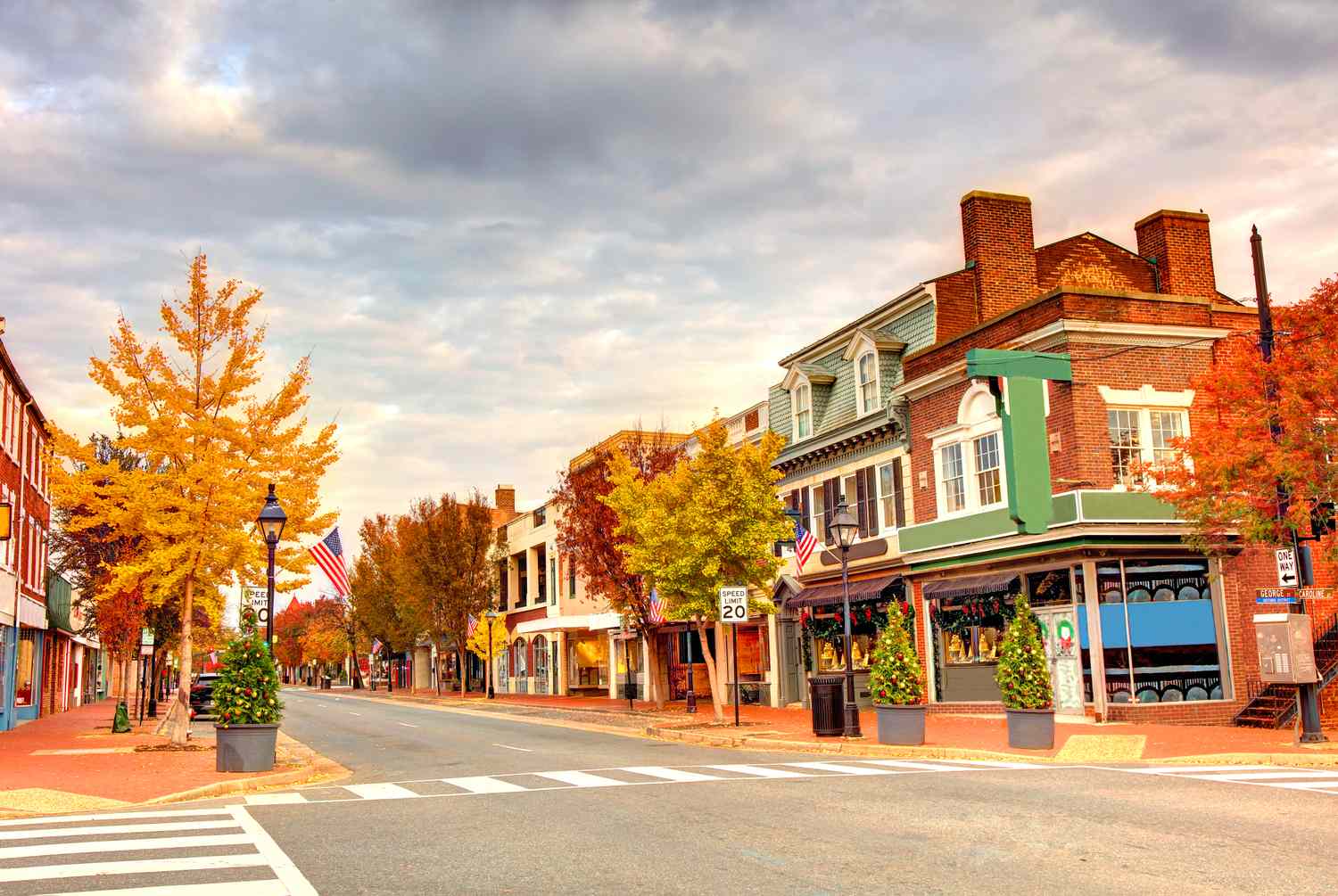
Fredericksburg
1031 exchange planning for Fredericksburg investors: I-95 corridor logistics growth, Central Park retail rent rolls, and Stafford-Spotsylvania.
Explore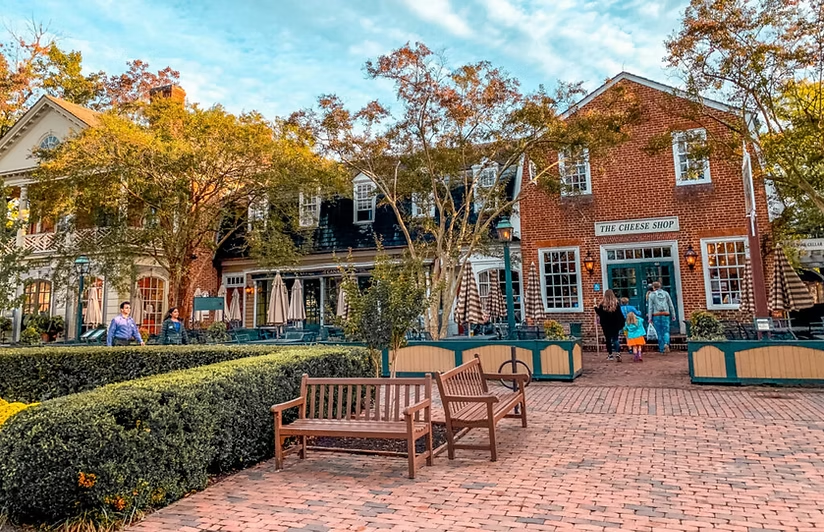
Williamsburg
1031 exchange planning for Williamsburg investors comparing tourism-adjacent retail, New Town mixed-use, and retirement-community replacement.
ExploreReady to organize the exchange file?
Share the dates, property details, and open questions for your Virginia exchange.
Start Exchange Review